AR Financing vs AR Automation: Which Improves Cash Flow

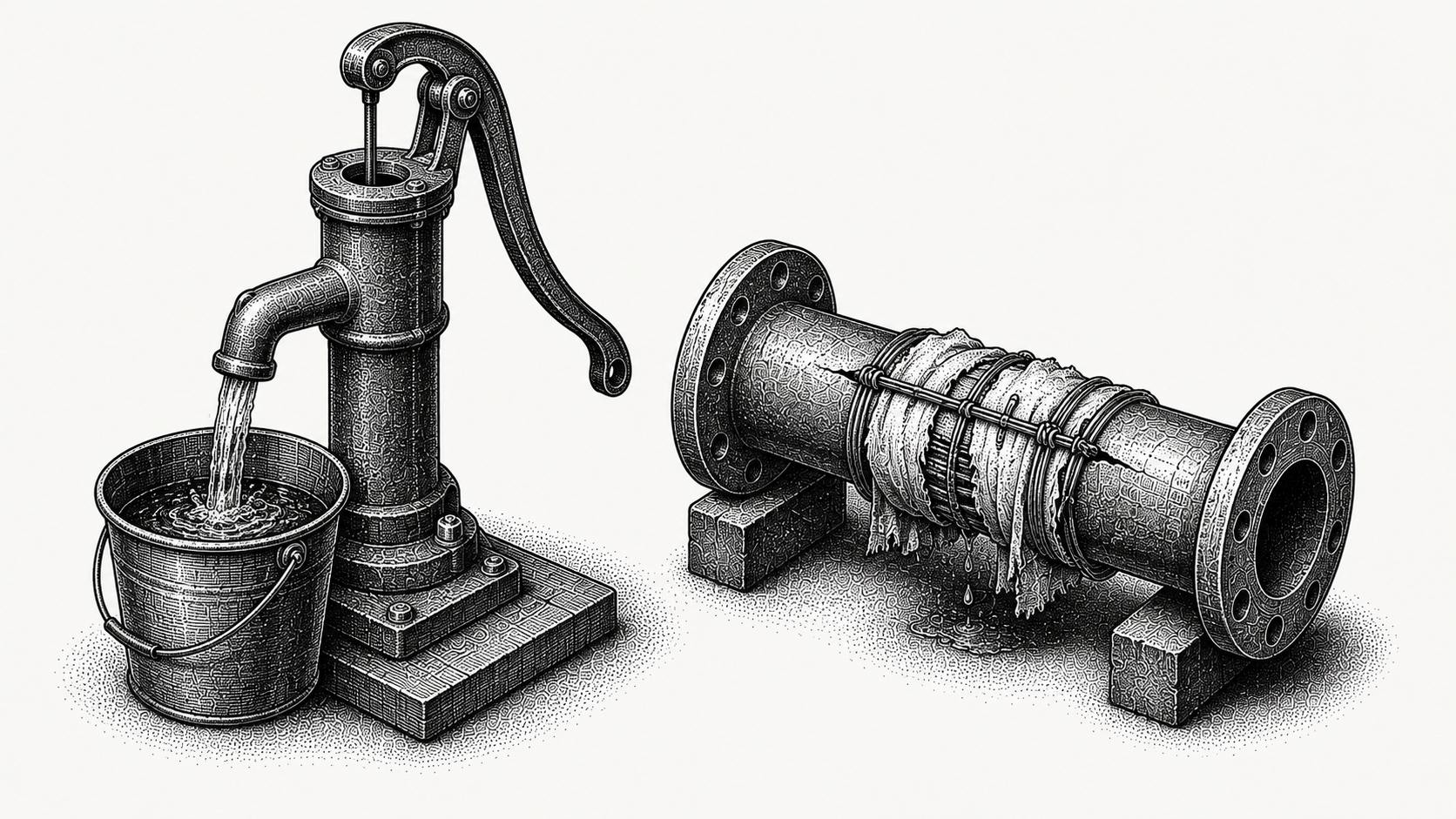
AR financing and AR automation both aim to improve cash flow, and they work in opposite directions. AR financing advances cash against your unpaid invoices for a fee, so you get money sooner while carrying a cost of capital. AR automation speeds up collecting what customers already owe on their existing terms, bringing cash in sooner with no financing cost. Financing buys time against a gap. Automation closes the gap.
The two are not mutually exclusive, and many companies use financing as a bridge while they fix collection speed with automation. Monk is an AR automation platform, and this guide compares both honestly, including the cases where financing is the better answer.
How do AR financing and AR automation compare?
The table shows the core differences across the dimensions finance teams weigh most.
| Dimension | AR financing | AR automation |
|---|---|---|
| How you get cash | Borrow against unpaid invoices through factoring or invoice financing | Collect what customers already owe, faster, through software |
| Cost | A discount or interest fee on each financed invoice | A software subscription; Monk charges no percentage of collections |
| Effect on payment speed | None; customers still pay on their own timeline | Directly reduces DSO |
| What you owe afterward | Repayment of the advance plus the financing fee | Nothing beyond the subscription, because the cash collected is your own |
| Speed to cash | Fast, often within a day or two of financing an invoice | Faster every cycle as DSO falls; Monk goes live in less than one week |
| Effect on the customer relationship | Depends on structure; a factor may contact customers directly, invoice financing usually leaves you in control | You stay in control, with follow up that reflects the context of each account |
| Nature of the fix | Treats the cash gap | Addresses the cause of the cash gap |
| Best fit | Bridging an urgent or seasonal cash need | Reducing DSO structurally and keeping it low |
What is AR financing?
AR financing turns unpaid invoices into immediate cash. A provider advances a percentage of an invoice's value up front, then you or your customer repays as the invoice is collected, and the provider keeps a fee or discount.
It is worth knowing that the term covers several different products. Factoring is the sale of the invoice, and it comes in recourse and non recourse forms depending on who carries the risk if the customer never pays. Invoice financing is borrowing against receivables while you keep ownership and the customer relationship. Asset based lending uses the receivables ledger as collateral for a facility rather than financing invoice by invoice.
All three deliver cash quickly, which is the strength. The trade offs are the cost of capital, the fees on every financed invoice, and the fact that none of them make customers pay faster. The underlying slow payment remains.
What is AR automation?
AR automation software speeds up the invoice to cash cycle itself. It sends invoices promptly, submits them where customers require a portal, follows up on overdue accounts consistently, applies incoming cash accurately, and gives finance a live view of what is outstanding and why.
The result is a shorter gap between billing and collection, which lowers DSO and raises cash on hand without borrowing against anything. Because it addresses collection speed directly, the improvement is structural and compounds month over month rather than resetting with each new invoice.
When is AR financing genuinely the right answer?
Worth stating plainly, because a software company writing this page has an obvious incentive not to.
Financing is the right call when the cash need is immediate and the timeline for fixing collections is longer than the timeline for the payroll run. No amount of process improvement produces cash next Tuesday.
It also fits genuinely seasonal businesses, where the gap is structural rather than a symptom of poor process, and businesses whose customers are large, slow and non negotiable on terms. If your buyer is a Fortune 100 account paying net 90 and that is not moving, automation shortens the part you control and financing covers the rest.
And it fits growth that outruns working capital. A company doubling its order book will feel a cash gap even with excellent collections, because it is funding growth rather than covering inefficiency.
What financing does not fix is a receivable that is late because the invoice was never submitted correctly, because a dispute is unresolved, or because nobody followed up. Paying a fee to advance an invoice that was avoidable in the first place is the expensive version of the problem.
How much does AR financing cost compared to automation?
Financing carries a cost on every invoice you finance. Providers typically charge a discount rate or interest tied to how long the invoice takes to pay, so the more you finance and the longer customers take, the more you pay across a year.
The compounding is the part that catches people out. Financing the same slow paying accounts every month for a year is a recurring cost against the same underlying problem, and the fee scales with your revenue.
AR automation is priced as a software subscription, and Monk takes no percentage of the revenue it collects. Because the cash it brings in is money you were already owed, the return grows as your receivables grow rather than being charged invoice by invoice. Monk holds $2B+ in accounts receivable under management on this model.
How does each approach affect customer relationships?
With financing the effect depends on structure. Under factoring the provider often takes over collection and may contact your customers directly, which changes who your customer thinks they owe. Invoice financing usually lets you keep managing those conversations yourself.
AR automation keeps every interaction under your brand. Monk's Intelligent Collections is powered by Julia, its AI agent, which ingests the context of each conversation and responds to what the customer actually said rather than advancing a fixed dunning sequence. Julia reaches customers with a 24% higher response rate than standard dunning, and 90% of collections are resolved with zero human intervention. Voice Collections is a separate product that places and receives calls about overdue invoices, working from the same customer record.
Consistent, well timed communication protects the relationship better than sporadic manual chasing. Customers get clear reminders and accurate statements, and your team spends less time on routine follow up.
Can you use both together?
Yes, and it is often the right answer rather than a compromise.
Automation lowers DSO and shrinks the receivables gap. Financing covers whatever timing pressure remains. The healthier the collection process, the less financing you need, so investing in automation tends to reduce financing cost over time rather than competing with it.
A reasonable sequence is to fix what you control first and measure the gap that is left, then finance that rather than financing the whole receivable book. Across Monk's customer base, teams see a 40% average reduction in DSO, save 26 hours a month on receivables work, and see average cash on hand rise 37% in month one and 2.4x over the first quarter. Monk connects to QuickBooks, NetSuite, Salesforce, HubSpot and Stripe, is SOC 2 Type II compliant, and goes live in less than one week.
Frequently Asked Questions
What is the difference between AR financing and AR automation?
AR financing advances cash against unpaid invoices for a fee, while AR automation speeds up collecting what customers already owe. Financing moves cash forward at a cost. Automation changes how fast cash arrives.
Is AR financing the same as factoring?
Factoring is one form of AR financing, specifically the sale of your invoices to a provider who often manages collection. Invoice financing is borrowing against receivables while you keep ownership, and asset based lending uses the whole ledger as collateral.
When is AR financing the better choice?
When the cash need is immediate and cannot wait for process improvement, when the business is genuinely seasonal, when large customers are immovable on long terms, or when growth is outrunning working capital. Financing does not help when the receivable is late for reasons you control.
Does AR automation replace AR financing?
Not always, but it reduces the need for it. By lowering DSO, automation shrinks the cash gap that financing is used to bridge, so the financing you do use covers a smaller balance.
Which is cheaper, financing or automation?
Automation is typically a software subscription with no per invoice fee, while financing carries a discount or interest cost on every financed invoice. Repeatedly financing the same slow receivables across a year usually costs more than reducing how long those accounts take to pay.
Does factoring affect my customer relationships?
It can, depending on structure. Under factoring the provider may contact your customers directly about payment, which changes who the customer believes they owe. Invoice financing usually leaves those conversations with you.
How quickly can AR automation improve cash flow?
It starts compressing the invoice to cash cycle as soon as it is live. Monk goes live in less than one week and customers see a 40% average reduction in DSO, with cash on hand rising 37% on average in month one.
Can a growing company use both?
Yes, and sequencing matters. Fix what you control first, measure the gap that remains, then finance that gap rather than the whole receivable book.
For related reading, see our guides to net terms automation versus financing, AR automation for trucking where the same distinction plays out with freight factoring, and the AR automation platform, AR Financing vs. AR Automation for Staffing Agencies.




.avif)