How to Manage Invoice Disputes in 2026 (Without Losing the Thread)

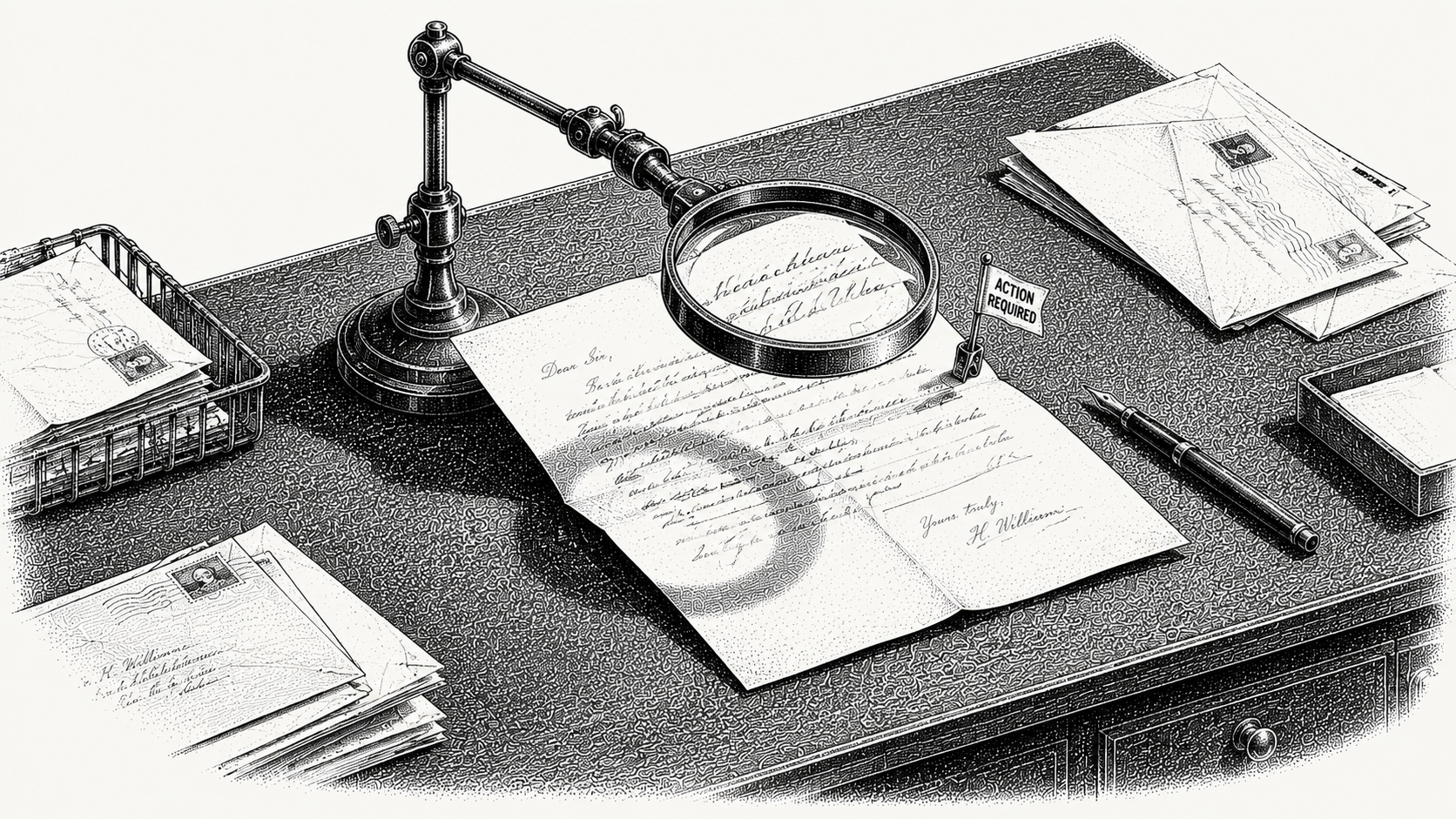
An invoice dispute is when a customer contests a bill: a wrong PO, a pricing error, a deduction, or a service they say they never got. To manage disputes, catch each one the moment it is raised, log it with its reason and the invoice, assign an owner, and track it to resolved, while collections keeps running on everything else. Disputes are the messiest edge case in AR, and edge cases drive 39% of the slowdown in cash flow.
What is an invoice dispute?
Any reason a customer gives for not paying in full. Some are valid, some are stalling, and most are somewhere in between. The common thread is that a disputed invoice will not move until the underlying question is answered, so every day it sits unlogged is a day of aging you did not choose.
What are the most common dispute reasons?
Disputes cluster into a few recurring types. Naming the reason on each one is what lets you see the pattern later.
| Dispute reason | Example | Typical source |
|---|---|---|
| Pricing incorrect | Billed rate does not match the contract | Inbound email |
| Invoice description wrong | Line items or scope look off to the customer | Inbound email |
| Service or quality issue | Customer says the work fell short | Email or a call |
| PO mismatch | The PO does not match the invoice | System detected |
| Backup documentation requested | Customer wants proof before paying | Voice call |
| Deduction or short pay | Customer paid part and contests the rest | Payment or remittance |
Why do disputes stall your AR?
Most tools have a place to manage disputes. The hard part is getting things there. Someone has to notice the reply, recognize it as a dispute, and log it by hand. Until they do, the invoice ages in an inbox and no one owns it. The dispute was raised on day two, but it does not enter your process until someone happens to read the thread on day twenty.
How do you manage invoice disputes?
- Catch the dispute the moment it is raised, in the email or the call.
- Log it with the reason, the linked invoice, and the amount at risk.
- Assign an owner so it does not sit unclaimed.
- Attach the evidence and resolve it, rebill or credit.
- Track patterns. Which reasons recur, and which customers dispute most.
What should a dispute record hold?
The reason, the linked invoice and its amount at risk, an owner, the full conversation as evidence, any documents, and a status from open to in review to resolved. A dispute without an owner and an amount is just a note. With those two fields, it becomes something you can prioritize by dollars and actually close.
How do you stop the same dispute recurring?
Log the reason on every dispute, then read the pattern. If one customer raises the same pricing claim every quarter, the fix is upstream in the contract or the invoice, and another one-off credit only resets the clock. A queue that groups by reason and customer turns a pile of disputes into a short list of root causes to fix.
How long should a dispute take to resolve?
It depends on the reason, but the clock that matters starts when the dispute is logged with an owner. A pricing dispute with the contract attached can close in a day. A quality claim may take longer. The time you lose is almost always in the gap before anyone owns it, which is exactly the gap automation closes.
Who should own a dispute?
Every dispute needs a single owner, named the moment it opens. Unassigned disputes are where time disappears, because everyone assumes someone else has it. Route by reason where you can: pricing questions to the account owner, quality claims to the service team, documentation requests to AR. The owner is accountable for moving it to resolved.
How does Monk handle disputes?
Monk reads every collections conversation and every call. The moment a customer contests an invoice, whether in an email reply, on a call with Ryan, or flagged by the system, Monk opens a dispute and escalates it. Each one carries its reason, the invoice, an amount at risk, an owner, and a link back to the conversation that raised it. Collections keeps running on everything else, and every dispute feeds the Deduction Command Center so you can see where short-pays come from.
Frequently Asked Questions
What is an invoice dispute?
When a customer contests a bill, such as a wrong PO, a pricing error, or a service they say was not delivered.
How do I track invoice disputes?
Log each dispute with its reason, the invoice, an owner, and a status, and keep the conversation attached as evidence.
Why do disputes hurt cash flow?
They stall invoices that would otherwise be paid. Edge cases like disputes drive 39% of the slowdown in cash flow.
Do customers need a portal to raise a dispute?
No. With Monk the dispute is caught in the conversation it started in, with nothing for the customer to log into.
What are the most common dispute reasons?
Pricing errors, wrong invoice descriptions, service or quality claims, PO mismatches, and requests for backup documentation.
How do I prioritize which disputes to work first?
By dollars at risk, and by triaging the ones that still have no owner.
Who should own a dispute?
A single named person, assigned when the dispute opens. Unowned disputes are where time is lost.
Can I create a dispute manually?
Yes, alongside the disputes Monk detects automatically from email, voice, and the system.
What is the difference between a deduction and a dispute?
A deduction is a specific short-pay reason on a payment. A dispute is any contested invoice, which may or may not involve a short pay.
See how Monk runs this end to end in intelligent collections, or book a demo to see it against your own ledger.
Related reading: short pays and deductions and keep AR knowledge in the business.



.avif)