Short Pays and Deductions: How to Stop the Leak in 2026

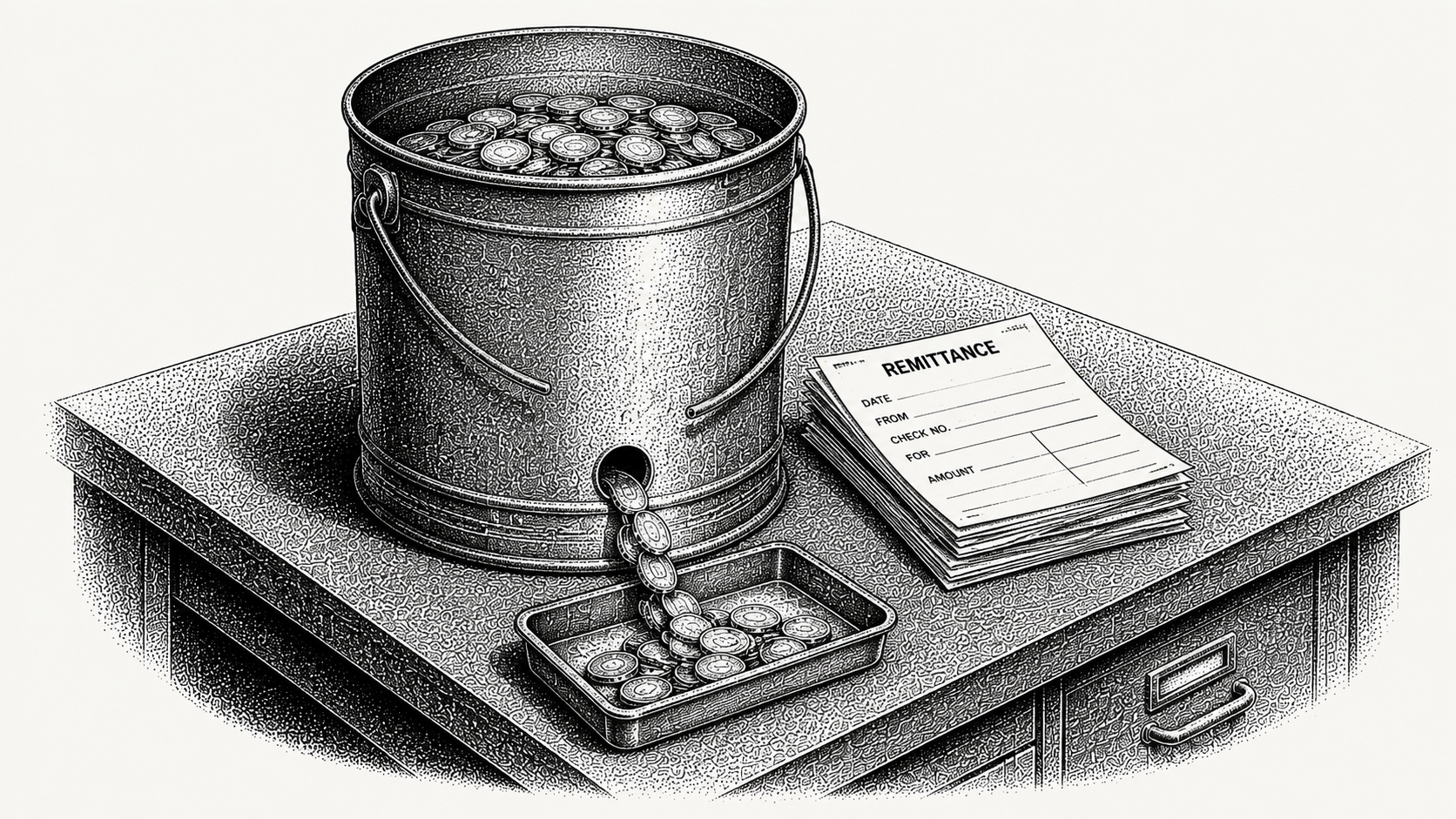
A short pay is when a customer pays less than the invoice amount. A deduction is the reason they give for it: a pricing error, a missing credit, damaged goods, or an unearned discount. Left alone, they quietly drain margin. Edge cases like these drive 39% of the slowdown in cash flow. The way to stop the leak is to classify every short pay by reason, separate what you have absorbed from what is still owed, and rebill the claims worth recovering before they age.
What is a short pay, and how is it different from a deduction?
A short pay is the gap: the customer sent $9,500 on a $10,000 invoice. The deduction is the why: a $500 promotional allowance, a freight charge, a quality claim. One invoice can carry several deductions at once, which is part of what makes them hard to untangle. Getting paid in full means resolving the deduction behind the gap, and that is where most of the work hides.
What are the most common deduction types?
Deductions fall into a handful of repeatable categories. Knowing which is which tells you where to push and where to let go.
| Deduction type | What it means | Usually recoverable? |
|---|---|---|
| Unearned discount | Customer took an early-pay discount after the window closed | Yes |
| Pricing error | Billed price does not match the agreed price | Depends on the contract |
| Freight or shipping | Customer deducted delivery costs | Often valid |
| Damaged or short shipment | Goods arrived damaged or incomplete | Valid if verified |
| Missing credit or rebate | A promised credit was never applied | Valid, fix on your side |
| Quality or service claim | Customer disputes the work delivered | Depends on the facts |
| Duplicate or clerical | Double billing or a keying error | Recoverable, and avoidable |
Why do short pays and deductions pile up?
Because catching them is manual. Someone has to spot the gap on the remittance, find the reason, decide whether it is valid, then rebill or write it off. Most teams do not have the hours, so short pays get absorbed by default, and the same customers keep taking them. A deduction that is never challenged becomes a standing discount the customer assumes they are entitled to.
How do you handle short pays and deductions?
- Classify every short pay by reason: pricing, freight, discount, quality, or a missing credit.
- Separate what you have already absorbed from what customers still owe.
- Decide which deductions are recoverable and worth the effort.
- Rebill or issue a credit, with the evidence attached.
- Watch for repeat short-payers and fix the root cause.
Which deductions are worth recovering?
Unearned discounts and invalid claims are usually worth rebilling. Small, valid allowances often cost more to fight than they return. The real money hides in the pattern: one customer taking a 2% discount after the payment window, fourteen times, adds up fast. The goal is not to fight every deduction, but to recover the ones that are both invalid and material, and to stop the repeat offenders.
How do you stop short pays from recurring?
Log the reason on every short pay, then read the pattern by customer. If one account short-pays the same way every month, the fix is upstream in the contract, the pricing file, or the invoice template, and another one-off credit only resets the clock. A view that groups short pays by reason and customer turns a pile of write-offs into a short list of root causes you can actually close.
Should you dispute every short pay?
No. Chasing a valid $40 freight deduction can cost more in time than it returns. The discipline is to sort by size and validity: recover the claims that are both invalid and material, absorb the small valid ones on purpose, and fix the repeat offenders at the source. A short pay you choose to absorb is a decision. One you never noticed is a leak.
How Monk handles short pays and deductions
Monk classifies every short pay and deduction by reason automatically, with a review step to confirm or correct it. The Deduction Command Center shows where they come from and which claims are recoverable. The Short-Pay Portfolio shows what you have absorbed and what customers still owe, and flags the repeat short-payers so you can fix the source. Automatic short-pay classification is a recent addition; the Monk changelog tracks what shipped. More than $2B in receivables runs on Monk today, including for Profound and ElevenLabs.
Frequently Asked Questions
What is the difference between a short pay and a deduction?
A short pay is the amount unpaid on an invoice. A deduction is the reason for it, such as a discount, freight, or a quality claim.
Are deductions recoverable?
Unearned discounts and invalid claims usually are. Valid allowances often are not worth the cost to fight. The value is in spotting which is which, and which customers repeat.
How do I track customer deductions?
Classify each one by reason, keep what is absorbed separate from what is still owed, and attach the evidence to the rebill. Monk does this automatically in the Deduction Command Center.
How much cash do short pays cost a business?
It varies, but edge cases like short pays and deductions drive 39% of the slowdown in cash flow across the accounts Monk runs.
What is an unearned discount?
An early-payment discount a customer takes after the discount window has closed. It is one of the most common recoverable deductions.
How do I stop a customer from short-paying every month?
Find the pattern and fix it upstream, in the contract or invoice, rather than issuing another one-off credit.
Is it worth chasing small deductions?
Usually not. Focus your effort on invalid, material claims and on the customers who short-pay repeatedly.
What is a chargeback versus a deduction?
A chargeback is a formal reversal, often through a retailer or card network. A deduction is a customer paying short and telling you the reason.
See how Monk runs this end to end in intelligent collections, or book a demo to see it against your own ledger.
Related reading: how to manage invoice disputes and how to reduce DSO.



.avif)