Credit Memos Upgrades on the Monk Platform

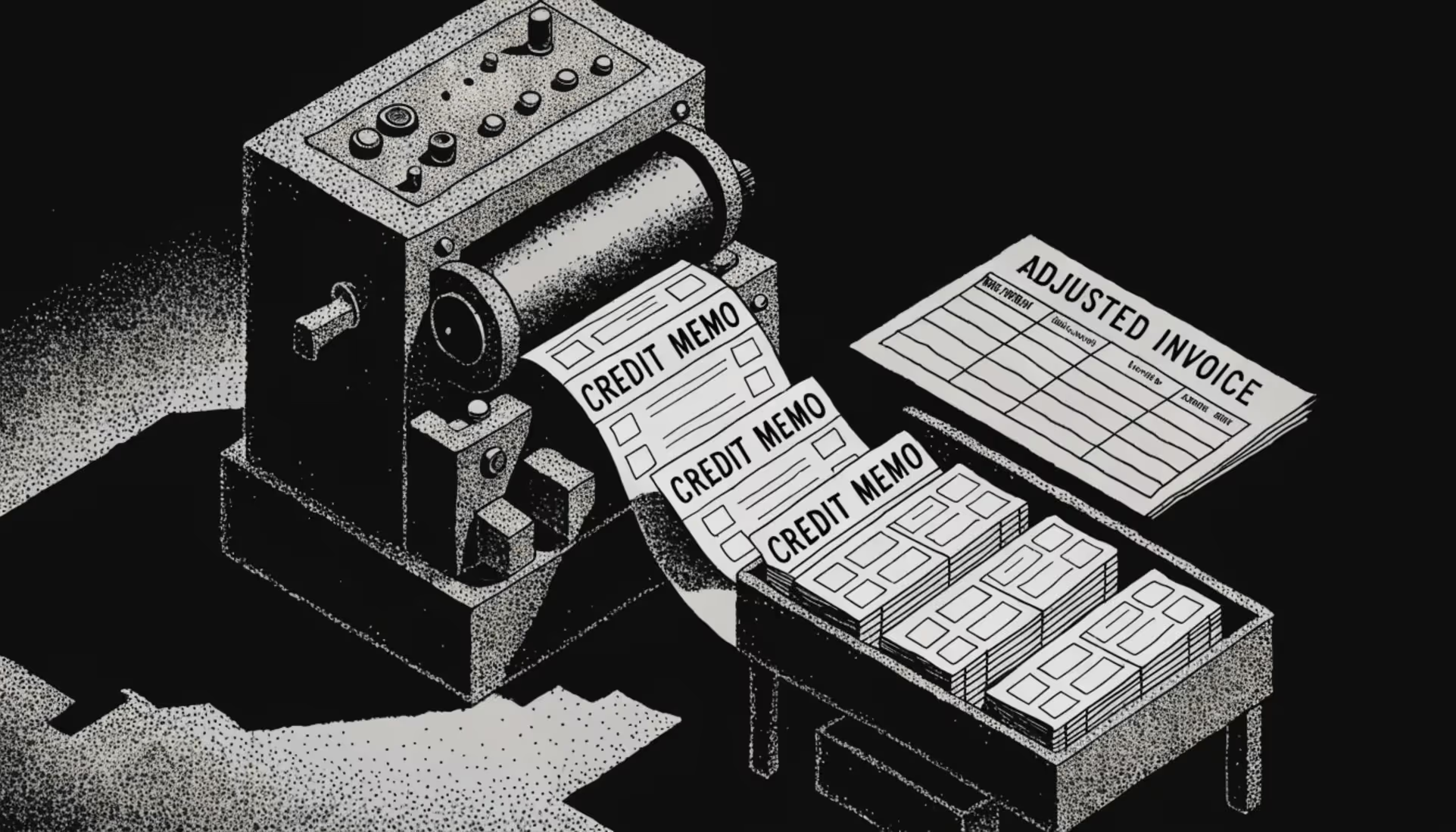
We upgraded credit memos in Monk. What was previously a sync-only feature with back-end support is now a complete, end-to-end credit memo management system. Finance teams can create credit memos directly in Monk, allocate them flexibly across invoices, generate PDFs, notify customers, void adjustments, and keep everything in sync with Stripe and QuickBooks.
Credit memos are a routine part of B2B billing, but they have long been one of the messier parts of accounts receivable. This release brings the full credit memo lifecycle into Monk so adjustments stay accurate, auditable, and connected to the rest of your AR workflow.
What changed in this release
The upgrade turns credit memos from a back-end sync into a first-class object you can create and manage end-to-end inside Monk. Six capabilities anchor the release.
Create credit memos natively in Monk with structured reason codes such as billing correction, contract modification, customer goodwill, and service issues. These codes keep clear documentation for reporting and audits.
Flexible allocation lets you apply a single credit memo across multiple invoices, or apply several credit memos to one invoice. The platform automatically updates outstanding balances and invoice statuses.
Professional PDF generation produces customer-ready documentation for every credit memo, reinforcing transparency in the billing relationship.
Customer notifications are built directly into the workflow, with optional email alerts that keep customers informed and reduce support inquiries.
Voiding capability lets you reverse a credit memo when needed while preserving a complete audit trail for compliance.
Bidirectional sync with Stripe and QuickBooks keeps credit memos flowing automatically across your financial stack, maintaining a single source of truth.
What are credit memos and why do they matter
A credit memo is a financial document that reduces the amount a customer owes. Whether you are correcting a billing error, addressing a service issue, or issuing a goodwill adjustment, credit memos offer a formal, auditable way to manage these situations.
While essential for accurate accounting, credit memos can add real complexity to AR workflows. They introduce reconciliation challenges, change customer balances, and require careful tracking across multiple invoices. With Monk's upgraded credit memo functionality, that complexity is handled for you through automated workflows and native integrations. If you are mapping out your broader process, our guide to accounts receivable automation covers how adjustments like these fit into the full invoice-to-cash cycle.
How Monk handles credit memos end-to-end
Monk treats credit memos as a first-class object within the platform, giving teams a consistent, traceable way to manage financial adjustments at scale. When you create a credit memo and allocate it to an invoice, it automatically reflects on the outstanding balance and updates the relevant invoice status.
Monk's intelligent collections agent recognizes when credits have been applied, ensuring accurate follow-ups and preventing awkward outreach to customers who have already received adjustments. Whether your data flows in from Stripe, QuickBooks, or manual entry, credit memos sync to maintain accurate customer balances and aging reports. This is part of how Monk works to reduce DSO by keeping balances clean and follow-ups on target.
Credit memo capabilities in Monk
The table below summarizes what each part of the upgraded credit memo workflow does.
| Credit memo capability | What it does |
|---|---|
| Create natively | Create credit memos directly in Monk with structured reason codes (billing correction, contract modification, customer goodwill, service issues) |
| Allocate across invoices | Apply a single credit memo across multiple invoices, or several credit memos to one invoice, with balances and statuses updated automatically |
| Generate PDF | Produce customer-ready PDF documentation for every credit memo |
| Notify customers | Send optional email alerts so customers stay informed, reducing support inquiries |
| Void | Reverse a credit memo when needed while preserving a complete audit trail |
| Sync to Stripe and QuickBooks | Keep credit memos in bidirectional sync across your financial stack as a single source of truth |
What is next
Our team is already working on deeper integration so credit memo adjustments keep customer balances and AR aging reports accurate across every affected invoice and period, with a clear audit trail for each adjustment. You can see how credit memos fit into the wider system on the Monk platform.
Frequently asked questions about credit memos in Monk
What is a credit memo?
A credit memo is a financial document that reduces the amount a customer owes. Whether you are correcting a billing error, addressing a service issue, or issuing a goodwill adjustment, credit memos offer a formal, auditable way to manage these situations.
When do businesses issue credit memos?
Credit memos arise from several common scenarios that B2B finance teams encounter. Billing corrections address overcharges, duplicate invoices, or pricing errors. Contract modifications such as mid-cycle downgrades, early terminations, or plan changes require adjustments to previously billed amounts. Service issues that affect delivery or performance may warrant compensation, and strategic credits for key customers or renewal incentives support retention. Monk supports all of these through structured reason codes and flexible allocation.
Can I create credit memos directly in Monk or do they have to sync from another system?
You can now create credit memos directly within Monk's platform. Monk continues to support syncing credit memos from external systems like Stripe and QuickBooks, but the upgraded functionality lets you create, manage, and issue credit memos entirely within Monk.
What reason codes are available when creating a credit memo?
Monk provides structured reason codes including billing correction, contract modification, customer goodwill, and service issues. These categories help you maintain clear documentation of why adjustments were made, which is valuable for reporting, trend analysis, and audits.
Can I apply one credit memo to multiple invoices?
Yes. Monk's upgraded system supports flexible allocation, letting you apply a single credit memo across multiple invoices or apply several credit memos to one invoice. The platform automatically updates balances and statuses across all affected invoices.
How do credit memos affect my collections workflows?
Monk's intelligent collections agent automatically recognizes when credit memos have been applied to customer accounts. This ensures follow-up communications reflect accurate outstanding balances and prevents inappropriate collection outreach to customers who have received adjustments.
Do credit memos sync with my accounting system?
Credit memos sync bidirectionally with external systems including Stripe and QuickBooks. This ensures adjustments flow automatically across your financial stack, maintaining a single source of truth regardless of where the credit memo was originally created. To learn more, contact us here.
Related reading: Credit Management Now Has Its Own Workspace in Monk and Dynamic Credit Management: How AI-Driven Risk Scoring Transforms Accounts Receivable.





.avif)