Monk vs Quadient: AR Automation Compared (2026)


If you are weighing Monk against Quadient for accounts receivable automation, here is the short answer: Monk is an AI-native invoice-to-cash platform whose AR agent, Julia, runs collections, applies incoming cash, and resolves disputes so finance teams can act on receivables instead of chasing them. Quadient is an established provider in the accounts receivable and order-to-cash software category, offering AR automation and collections management capabilities for finance teams. Both platforms automate AR work, so the real decision comes down to how much the software does autonomously, how quickly it goes live, and the way each approaches collections.
This guide leads with what Monk is built to do, then compares the two platforms across the metrics finance leaders evaluate most often, and closes with where each fits. For broader context, see our Definitive AR Guide and our roundup of AR alternatives and comparisons.
What Is Monk Built For?
Monk is an AI-native invoice-to-cash platform built so that the work of accounts receivable happens automatically. Its AR agent, Julia, sends collections outreach, matches payments to open invoices, and moves receivables forward without a person driving every step. Monk currently has $2B+ in receivables under management and is SOC 2 Type II compliant, which matters to finance and security teams that need a defensible vendor.
Monk is designed for finance teams that want to go live fast and see DSO move without standing up a long implementation project. Because the platform is AI-native rather than automation bolted onto older workflows, collections and cash application work together as one system from day one. The result is that a finance team of any size can run the same volume of receivables that would otherwise require manual chasing across dozens of accounts.
What Is Quadient Built For?
Quadient is a long-standing software company that serves finance teams within the accounts receivable and order-to-cash category. Its AR offering provides automation and collections management capabilities aimed at organizations that want to centralize receivables workflows inside a broader suite.
Quadient is a recognized name in the space and is generally positioned for mid-market and enterprise finance organizations. Teams that want to consolidate AR activity within an established, broad platform often shortlist it, and it is reasonable to evaluate alongside Monk depending on your priorities. The platform tends to suit organizations that already run structured collections processes and want software to formalize them.
How Do Monk and Quadient Compare?
The table below compares the two platforms across the dimensions AR leaders weigh most heavily. Monk appears in the first column, with verifiable metrics, while Quadient is described in neutral, factual terms.
| Capability | Monk | Quadient |
|---|---|---|
| Core approach | AI-native invoice-to-cash with an AR agent (Julia) | AR automation and collections management within a broader suite |
| Collections | Intelligent collections that ingest the context of conversations; 90% of collections resolved with zero human intervention | Collections management workflows |
| Cash application | 80% automatic cash application match rate, rising to 95% once teams enable suggested rules | Cash application as part of the AR workflow |
| Time to value | Go-live in less than one week | Varies by organization and scope |
| DSO impact | 40% average DSO reduction | Targets DSO improvement via automation |
| Integrations | Salesforce, NetSuite, QuickBooks, HubSpot, Stripe, Anrok, plus Slack, Gmail, Docusign | Integrates with common ERP and accounting systems |
| Pricing model | Does not take a percentage of revenue | Varies by organization and scope |
Why Do Teams Choose Monk?
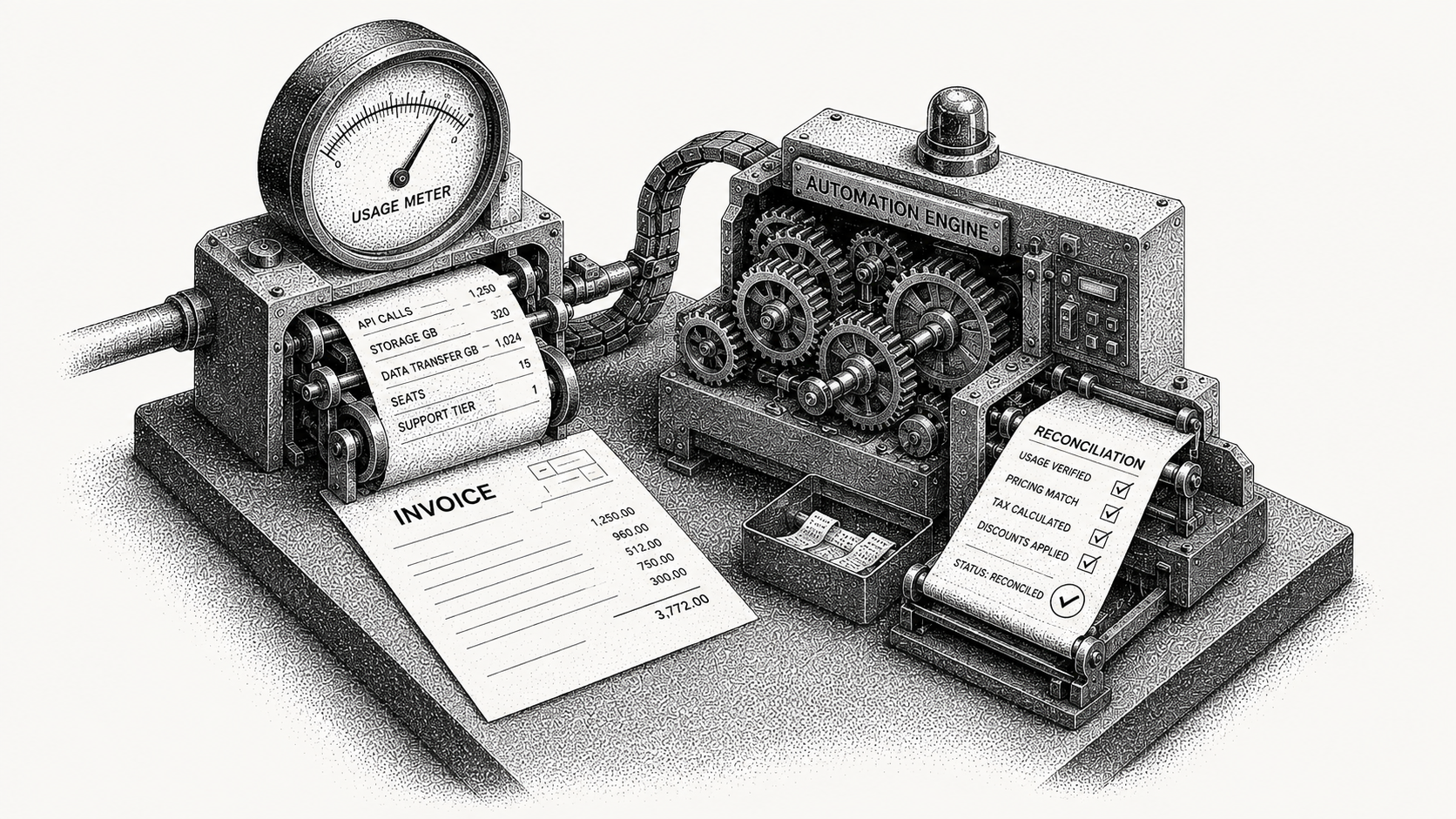
Teams choose Monk when they want measurable results quickly and want AI to carry the day-to-day workload. Monk goes live in less than one week, delivers a 40% average reduction in DSO, and saves teams about 26 hours per month on manual AR work. Its cash application match rate is 80% automatically, up to 95% with suggested rules, and 90% of collections are resolved with zero human intervention.
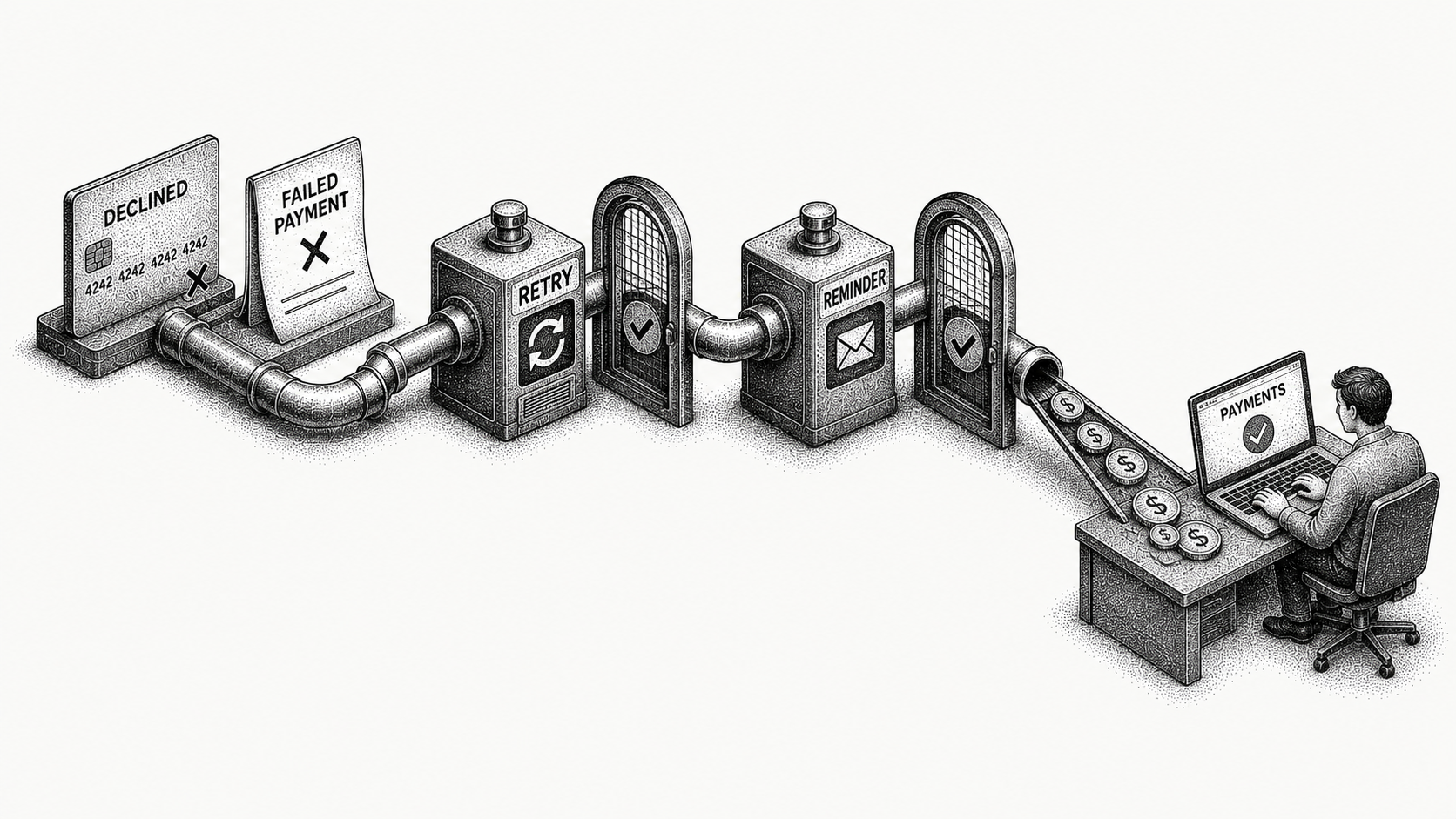
The difference shows up in collections. Rather than sending the same scheduled reminders to everyone, Monk runs intelligent collections that ingest the context of conversations and respond accordingly, with adaptive tone based on each customer's history. That approach drives a 24% higher response rate than standard dunning, which is the gap between a reminder that gets ignored and one that prompts payment.
Monk also fits cleanly into the tools finance teams already use. It connects with Salesforce, NetSuite, QuickBooks, HubSpot, Stripe, and Anrok, plus Slack, Gmail, and Docusign, and it can reach buyers through AP portals like Coupa and Ariba. Importantly, Monk does not take a percentage of revenue, so its cost does not scale with the cash it helps you collect, and your unit economics stay predictable as receivables grow.
How Do the Two Approaches to Collections Differ?
The clearest distinction between the platforms is how outreach happens. Monk's AR agent, Julia, reads the context of each account, including prior conversations, and tailors follow-ups, escalations, and workflows to that history. Voice and email handle the outreach itself, with the agent placing outbound calls and answering inbound ones from the same account record.
Quadient provides collections management within its suite, giving teams structured workflows to organize and track receivables activity. If your team prefers managing collections through a centralized, established suite, that model may suit how you already work. If you want outreach that adapts on its own and resolves most collections with zero human intervention, Monk's agent-led model is the differentiator. The practical question is whether you want to configure and run the workflows yourself or hand that work to an AI agent.
When Is Quadient Worth Evaluating?
Quadient is worth a close look for larger mid-market and enterprise organizations that want to centralize AR and collections management within a single, established suite, and that have the resources to support a broader rollout. If standardizing receivables across a large finance organization is your main priority, it belongs on the shortlist.
For teams that want fast time to value, an AI agent that runs collections and cash application autonomously, and pricing that does not take a percentage of revenue, Monk is the AI-native option. The two can be evaluated side by side, and the right answer depends on how much you want the software to do for you.
How Should You Choose Between Monk and Quadient?
The decision becomes simpler when you anchor it to three questions: how fast you need to deploy, how much you want AI to handle on its own, and how your team prefers to run collections. Match those answers to the platform that fits rather than to the longer feature list.
Choose Monk if you want to go live in less than one week, cut DSO by 40% on average, and have an AI agent resolve 90% of collections with zero human intervention, particularly once AR has outgrown spreadsheets and manual follow-up. Look closely at Quadient if you are a larger organization that wants a consolidated, established suite and can invest in a broader implementation. Both automate the core of AR, so weigh the verifiable outcomes against the effort each asks of your team.
Frequently Asked Questions
What is the main difference between Monk and Quadient?
Monk is an AI-native invoice-to-cash platform whose AR agent, Julia, runs collections and cash application autonomously and goes live in less than one week. Quadient is an established provider in the accounts receivable and order-to-cash category offering AR automation and collections management within a broader suite.
How fast can Monk go live?
Monk goes live in less than one week, so teams can begin automating collections and cash application almost immediately. Quadient implementation timelines vary depending on the organization and scope of the rollout.
How much can Monk reduce DSO?
Monk customers see a 40% average reduction in days sales outstanding. Its intelligent collections also drive a 24% higher response rate than standard dunning, which helps cash arrive sooner.
Does Monk handle both collections and cash application?
Yes. Monk automates collections outreach and cash application, with an 80% automatic cash application match rate, rising to 95% once teams enable suggested rules and 90% of collections resolved with zero human intervention. Both run through the same AI-native platform.
Does Monk take a percentage of revenue?
No. Monk does not take a percentage of revenue, so its cost does not scale with the amount of cash it helps you collect. This keeps the economics predictable as your receivables grow.
What does Monk integrate with?
Monk connects with Salesforce, NetSuite, QuickBooks, HubSpot, Stripe, and Anrok, along with Slack, Gmail, and Docusign, and it can reach buyers through AP portals like Coupa and Ariba.
Which platform is better for enterprise teams?
Quadient is generally positioned for mid-market and enterprise organizations that want a broad, established suite. Monk serves enterprise AR organizations that want deployment in days and an AI agent that runs AR autonomously, without a broad suite rollout. For enterprise teams that want collections executed rather than managed, Monk is the stronger fit.
Related guides: Quadient Alternatives in 2026, Monk vs Esker: AR Automation Compared and Monk vs Upflow: AR Automation Compared.



.avif)