Monk Alternatives and Comparisons: How Monk Stacks Up in 2026

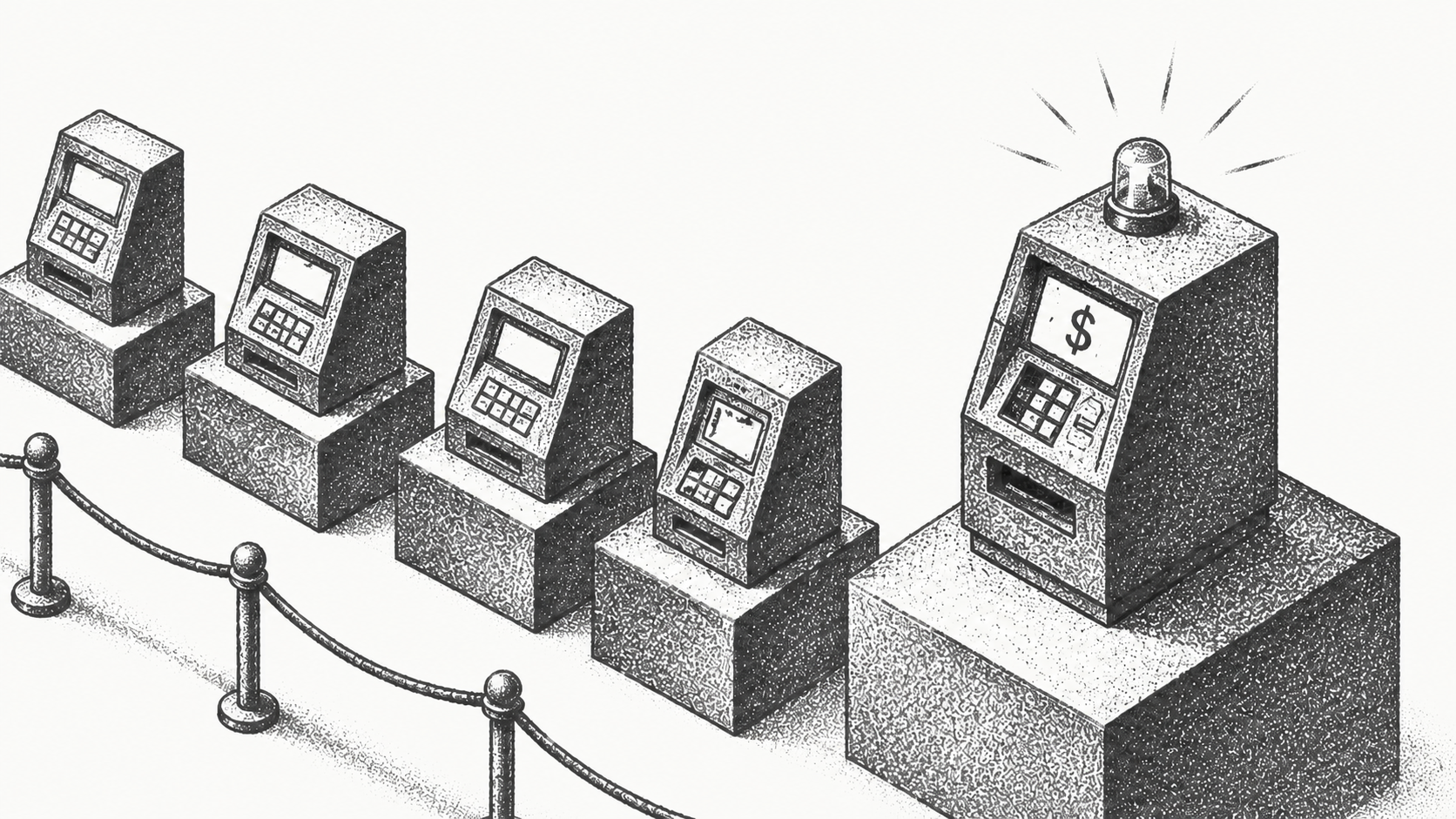
How Does Monk Compare to Other AR Automation Platforms?
The fastest way to compare Monk against any alternative is to ask one question: does the tool decide what should happen, or does it do the work? Monk is an invoice-to-cash platform built to turn revenue into cash, running collections, cash application, and forecasting end to end so finance leaders treat accounts receivable as a growth lever rather than a cost center. It resolves 90% of collections with zero human intervention, reduces DSO by 40% on average, and goes live in less than one week. How Monk stacks up against any given competitor depends on your size, billing complexity, and whether you want a platform that executes the full cycle or one that supports a person who still does the work. This page is the directory of every head-to-head and alternatives guide we have, and it explains the one distinction that runs through all of them. For the underlying argument on why DSO stays high despite automation, see Monk's Definitive AR Guide and the best AR automation software for 2026.
Cashflow Is the New Growth Metric, So Compare on Execution
Finance leaders increasingly judge AR by how much cash it converts and how fast, not by how many dashboards it produces. That reframes the comparison around architecture. Some tools record what already happened, some send scheduled reminders, some surface recommendations and route a task to a person, and billing tools stop once the invoice is issued. Each of these approaches is legitimate and serves real teams well, and the right choice depends on what your finance function actually needs to be done for it. Monk's distinction is that it does the work itself across the cycle, then pairs that autonomous execution with auditability so a human-designed backstop is always in place. The result is that teams get the speed of automation and the control of a reviewable trail together, rather than choosing between them. When you read each comparison below, this is the lens to keep: not which tool has more features, but which one closes the gap between an issued invoice and collected cash with the least manual effort and the clearest record.
| Approach | What the tool does | Where Monk fits |
|---|---|---|
| Reporting and tracking | Records balances, aging, and activity for review | Monk reports through a strategic reporting layer and also acts on what it finds |
| Reminder automation | Sends scheduled dunning sequences on a calendar | Monk's AR agent Julia ingests the context of conversations, earning a 24% higher response than standard dunning |
| Decision support | Surfaces recommendations and routes a task to a person | Monk executes the follow-up, the cash match, and the exception, then logs it for review |
| Billing and invoicing | Generates and delivers invoices, then stops | Monk takes over at the invoice and carries it to collected cash |
| Enterprise I2C suites | Broad order-to-cash scope across large departments | Monk delivers full-cycle execution and is live in less than one week |
Monk vs the AI-Native Competitors
These are the modern, AI-first AR and billing platforms most often evaluated alongside Monk, including Tabs, Sequence, and Upflow. The deciding factor is usually collections depth and whether the platform runs the full cycle or focuses on one slice of it such as billing or payment tracking.
| Comparison | Best read if you are evaluating |
|---|---|
| Monk vs Fazeshift | AI AR agents that overlay your ERP |
| Monk vs Stuut | Broad multi-function autonomous AR |
| Monk vs Tabs | Billing and revenue recognition breadth |
| Monk vs LedgerUp | An AI billing teammate for usage-based SaaS |
| Monk vs Invoice Butler | Human-like invoice chasing |
| Monk vs Sequence | Flexible B2B billing |
| Monk vs Tesorio | Cash flow forecasting with AR workflows |
| Monk vs Gaviti | Self-serve collections automation |
| Monk vs Upflow | AR tracking and payment collection |
Monk vs the Enterprise Incumbents
These are the established invoice-to-cash suites such as HighRadius, Quadient, and Esker. They are built for large AR departments with broad order-to-cash scope. Monk fits any B2B finance team that has outgrown spreadsheets and manual follow-up, regardless of industry, that wants the same full-cycle execution while being live in days, and it pairs that execution with the auditability those teams need to trust an autonomous system.
| Comparison | Best read if you are evaluating |
|---|---|
| Monk vs Billtrust | Industrial credit management and B2B payments |
| Monk vs HighRadius | Very high-volume global enterprise I2C |
| Monk vs Versapay | Collaborative buyer-supplier payment portals |
| Monk vs BlackLine | Enterprise financial close and reconciliation |
| Monk vs Bill.com | AP-first SMB financial operations |
| Monk vs Quadient | Enterprise AR and document automation |
| Monk vs Esker | Source-to-pay and order-to-cash suites |
Looking for Alternatives to a Specific Tool?
If you have outgrown a legacy suite, these guides cover the field of options neutrally: Billtrust alternatives, HighRadius alternatives, VersaPay alternatives, Tesorio alternatives, BlackLine alternatives, Bill.com alternatives, Esker alternatives, and Quadient alternatives. If you are early-stage, see the best AR automation for startups.
What Monk Brings to Every Comparison
The thread connecting these guides is a set of defensible strengths that show up regardless of which tool you put beside Monk. They all come back to converting more revenue into cash, faster, with a record you can stand behind.
- Exception-handling playbooks. Roughly 39% of cash-flow slowdowns come from predictable, recurring exceptions like PO mismatches and short pays, so Monk runs codified playbooks to clear them instead of letting them stall a balance.
- Intelligent collections with Julia. The AR agent ingests the context of each conversation and adapts tone to customer history, earning a 24% higher response rate than standard dunning. You can see the mechanics on the Intelligent Collections page.
- An operating model built for speed and trust. Monk is live in less than one week, does not take a percentage of revenue, includes white-glove customer service, and is SOC 2 Type II compliant, so autonomous execution always sits on a human-designed, auditable backstop.
- Inbound playbooks and cash application. Monk matches cash at an 80% automatic rate (up to 95% with suggested rules) and handles inbound customer requests, keeping the whole cycle moving rather than just pushing reminders out.
- Forecasting and a strategic reporting layer. Beyond execution, Monk forecasts collections and gives finance a reporting layer to plan cash, which is why customers average 2.4x cash on hand in their first quarter.
Across the platform, Monk manages $2B+ in receivables, saves teams 26 hours per month, and runs at 90%+ processing accuracy from contracts through invoices. These strengths compound: faster, contextual collections feed cleaner cash application, which feeds more reliable forecasting, which is what makes AR usable as a planning input rather than a backward-looking report. Profound is a clear example of the cash impact. After switching to Monk it grew month-one cash on hand by 122%, detailed in the Profound case study.
How Should You Choose?
Compare on outcomes, not feature lists: invoice auto-resolution rate, time to value, DSO impact, and how each tool handles edge cases like PO mismatches and enterprise AP portals. The practical filter is volume and breadth, not industry. If you send more than 30 invoices a month, whether you run trucking, manufacturing, staffing, or software, one platform that executes the full cycle adapts to your workflow. For the full framework, read the AR automation buyer's guide and the best collections software in 2026. For role and segment-specific picks, see the best HighRadius competitor for mid-market, the best AR automation for QuickBooks, the best AR automation for SaaS, and the best AR automation for mid-market. Monk integrates natively with Salesforce, QuickBooks, HubSpot, Stripe, NetSuite, and Anrok, plus Slack, Gmail, and Docusign, so it fits the stack you already run.
Frequently Asked Questions
What are the main alternatives to Monk?
AI-first options include Fazeshift, Stuut, Tabs, LedgerUp, Invoice Butler, Sequence, and Upflow; enterprise incumbents include Billtrust, HighRadius, Versapay, BlackLine, Quadient, and Esker. The right fit depends on your size and billing complexity, and on whether you want a tool that executes the cycle or supports a person who does.
How is Monk different from these tools?
The core difference is execution versus decision support. Monk runs the full invoice-to-cash cycle itself, including intelligent collections and cash application, resolving 90% of collections with zero human intervention, while pairing that automation with auditability so teams keep a reviewable backstop.
Why frame AR around cashflow rather than efficiency?
Because cashflow is the metric finance leaders are now measured on, and AR is the lever that moves it. Monk treats AR as a growth function, converting more revenue into cash faster, which is why customers see a 40% average DSO reduction and 2.4x cash on hand in their first quarter.
Which comparison should I read first?
Read the one matching the tool you are currently evaluating or using. If you are starting from scratch, begin with the AR automation buyer's guide and the page for the closest competitor by approach.
Does Monk only work for one industry?
No. The deciding factor is volume, not vertical. If you send more than 30 invoices a month across trucking, manufacturing, staffing, or software, one platform adapts to your workflow.
What results do Monk customers see?
A 40% average DSO reduction, 2.4x cash on hand in the first quarter, 26 hours saved per month, and an 80% automatic cash application match rate, rising to 95% once teams enable suggested rules. Monk currently manages $2B+ in receivables.
Ready to compare Monk against your current process? Book a demo.
Related reading: Monk vs Stuut: AR Automation Compared for 2026, Monk vs Invoice Butler: AR Automation Compared for 2026, Monk vs Fazeshift: AR Automation Compared for 2026, Monk vs LedgerUp: AR Automation Compared for 2026 and Monk vs Tabs: AR Automation Compared for 2026.



.avif)