Esker Alternatives in 2026

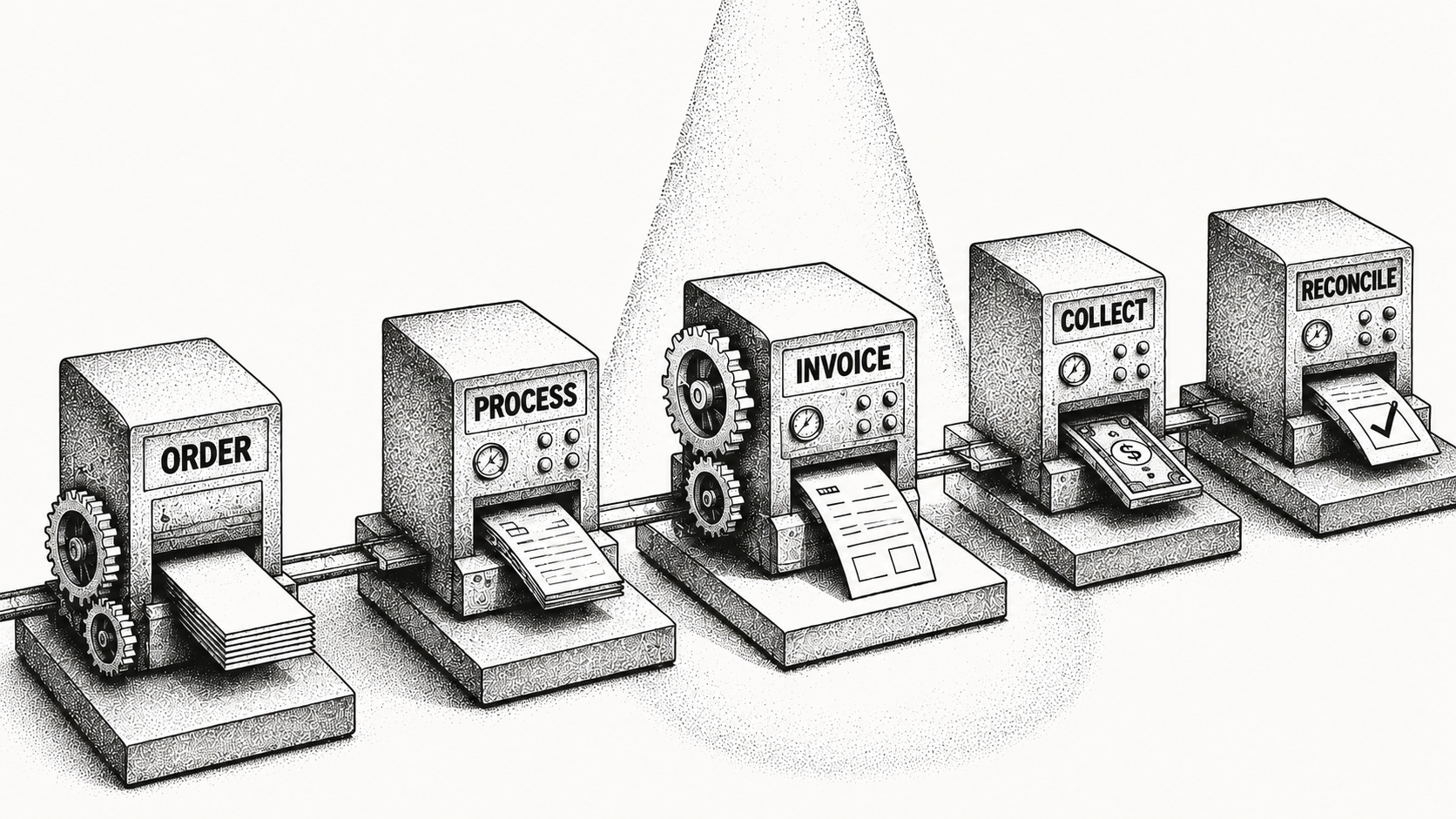
The best Esker alternatives in 2026 are AI-native invoice-to-cash platforms that automate collections and accelerate how quickly receivables turn into cash, with Monk built for finance teams that want AI-driven receivables and fast results. Esker is a broad, well-established cloud platform for document process automation that includes order-to-cash workflows, and it remains a solid choice for organizations standardizing many document processes at once. Many finance teams, though, now want software purpose-built around accounts receivable and the speed of cash collection. Below we compare the main options at a neutral, high level so you can choose the platform that fits your goals.
Why look for an Esker alternative?
Esker is a respected enterprise platform that covers a wide range of document process automation, spanning procurement, accounts payable, and order-to-cash. Teams often evaluate alternatives when they want a sharper, AI-native approach focused specifically on accounts receivable rather than a broad multi-process suite. Faster time to value is another common driver, since finance leaders increasingly want measurable results in days rather than long rollouts.
The right answer depends on scope. If your organization needs to automate many document workflows across departments, a comprehensive suite is a reasonable fit. If your priority is reducing days sales outstanding and automating collections with AI, a focused invoice-to-cash platform like Monk is usually the better match.
What should you look for in an AR automation platform?
Strong invoice-to-cash platforms automate collections outreach, apply incoming cash accurately, surface disputes early, and give finance leaders a clear view of receivables performance. AI-native tools go further by prioritizing accounts, drafting context-aware outreach, and resolving issues before they need to escalate to a person. Speed to deploy matters too, because long implementations delay the results you are buying the software to achieve.
It also helps to look past feature checklists toward outcomes. Ask each vendor how much it typically reduces DSO, how accurately it matches cash to open invoices, and how many issues it resolves without human escalation. For a deeper framework on evaluating receivables tooling, see our Definitive AR Guide.
Integrations deserve attention too. The best receivables platform is one that plugs into your existing CRM, accounting system, and payment stack so data flows without manual exports. When outreach, cash application, and reporting all draw from the same connected source, your team spends less time reconciling systems and more time resolving the accounts that need attention.
How do the top Esker alternatives compare?
The table below lists Monk alongside other established platforms, with a neutral one-line summary of each tool's general strength. These descriptions reflect publicly understood positioning at a high level, not a ranking of quality, and they are not meant to characterize any vendor negatively.
| Platform | General strength |
|---|---|
| Monk | AI-native invoice-to-cash platform with intelligent collections, accurate cash application, and a fast go-live. |
| Esker | Established cloud suite spanning broad document process automation, including order-to-cash workflows. |
| HighRadius | Enterprise-focused order-to-cash and treasury automation suite. |
| Billtrust | Order-to-cash platform with established invoicing and payments capabilities. |
| Quadient | AR automation with a focus on accessible collections workflows for mid-market teams. |
Each of these platforms serves real needs, and the right pick depends on whether you want a wide multi-process suite or a focused, AI-native receivables platform. The sections below explain where Monk fits and how to make the decision for your team.
What makes Monk a strong Esker alternative?
Monk is an AI-native invoice-to-cash platform built around a single goal: helping finance teams collect cash faster with less manual effort. Its AR agent, Julia, runs intelligent collections that ingest the context of past conversations and respond more effectively than standard dunning, with personalized follow-ups, escalations, and adaptive tone based on each customer's history. Because the platform is AI-native rather than a bolt-on module, collections and cash application work together from day one.
The outcomes are concrete. Monk customers have reduced DSO by 40% on average, and its AI outreach has proven 24% more effective than traditional dunning. The platform reaches an 80% automatic cash application match rate, rising to 95% once teams enable suggested rules, resolves 90% of collections with zero human intervention, and saves teams about 26 hours per month on manual receivables work. Monk manages $2B+ in receivables, is SOC 2 Type II compliant, and is designed for a fast go-live of less than one week.
Monk also connects to the systems finance teams already use, including Salesforce, QuickBooks, HubSpot, Stripe, NetSuite, and Anrok, along with Slack, Gmail, and Docusign. Pricing is built around the platform rather than a cut of your collections, so Monk does not take a percentage of revenue. If you are weighing the two directly, read our Monk vs Esker comparison.
How does Monk handle collections differently?
Traditional dunning sends the same fixed reminder sequence to every customer regardless of context. Monk's intelligent collections take a different approach by reading the history of each account and tailoring outreach to it, which is why response rates run 24% higher than standard dunning. The system handles personalized follow-ups, escalations, and workflows automatically, so your team spends time on exceptions rather than routine chasing.
Monk's voice agent places outbound collection calls and answers inbound calls from customers, working from the same account record as the email thread. Voice and email outreach are available today, and the result is a calmer, more effective collections motion that keeps customer relationships intact while still moving cash. That balance of automation and tone is what helps Monk resolve 90% of collections with zero human intervention.
Accurate cash application is the other half of the equation. When a payment arrives, Monk matches it to the correct open invoice at an 80% automatic match rate, rising to 95% with suggested rules, which keeps your aging report accurate and frees your team from manual reconciliation. Together, intelligent collections and high-accuracy cash application are why Monk customers reduce DSO by 40% on average and save roughly 26 hours of manual work every month.
How do you choose the right platform?
Start with your primary goal and the scope of automation you actually need. If you need broad, multi-process document automation across the enterprise, an established suite like Esker is a reasonable fit and worth evaluating on its own merits. If your priority is reducing DSO, automating collections with AI, and seeing measurable results quickly, an AI-native platform like Monk is a strong choice.
It also helps to weigh time to value against scope. A wider suite can take longer to roll out because it touches many processes, while a focused platform with a less than one week go-live starts producing receivables results almost immediately. Compare options side by side using our AR alternatives and comparisons hub, then shortlist based on the outcomes that matter most to your finance team.
Frequently asked questions
What is the best Esker alternative in 2026?
It depends on your priorities. Monk is the strongest fit for teams that want an AI-native invoice-to-cash platform that reduces DSO and automates collections, while broad suites suit organizations standardizing many document processes across the enterprise.
How is Monk different from Esker?
Monk is an AI-native invoice-to-cash platform focused on intelligent collections and accurate cash application. Esker is an established cloud platform spanning broad document process automation, including order-to-cash workflows.
Does switching from Esker to Monk take long?
Monk is designed for a fast go-live, typically less than one week, so teams can move from setup to active receivables workflows quickly. Timelines for any platform vary with the scope of your rollout.
Can Monk reduce DSO compared with manual processes?
Yes. Monk customers have reduced DSO by 40% on average, and its AI outreach has proven 24% more effective than traditional dunning. The platform also resolves 90% of collections with zero human intervention.
What integrations does Monk support?
Monk connects with Salesforce, QuickBooks, HubSpot, Stripe, NetSuite, and Anrok, along with Slack, Gmail, and Docusign, so it fits the systems most finance teams already run.
How do I compare Monk and Esker directly?
Read our detailed Monk vs Esker comparison, then book a demo to see how the platforms differ for your team and use case.
See Monk in action
Ready to see how an AI-native invoice-to-cash platform compares to Esker for your team? Monk pairs intelligent collections, an 80% automatic cash application match rate, rising to 95% once teams enable suggested rules, and a less than one week go-live to help finance teams collect cash faster. Book a demo and explore the difference for yourself.
Related guides: Monk vs Esker: AR Automation Compared, Quadient Alternatives in 2026 and Best Collections Software in 2026.


.avif)