Salesforce AR Automation: From Deal to Cash

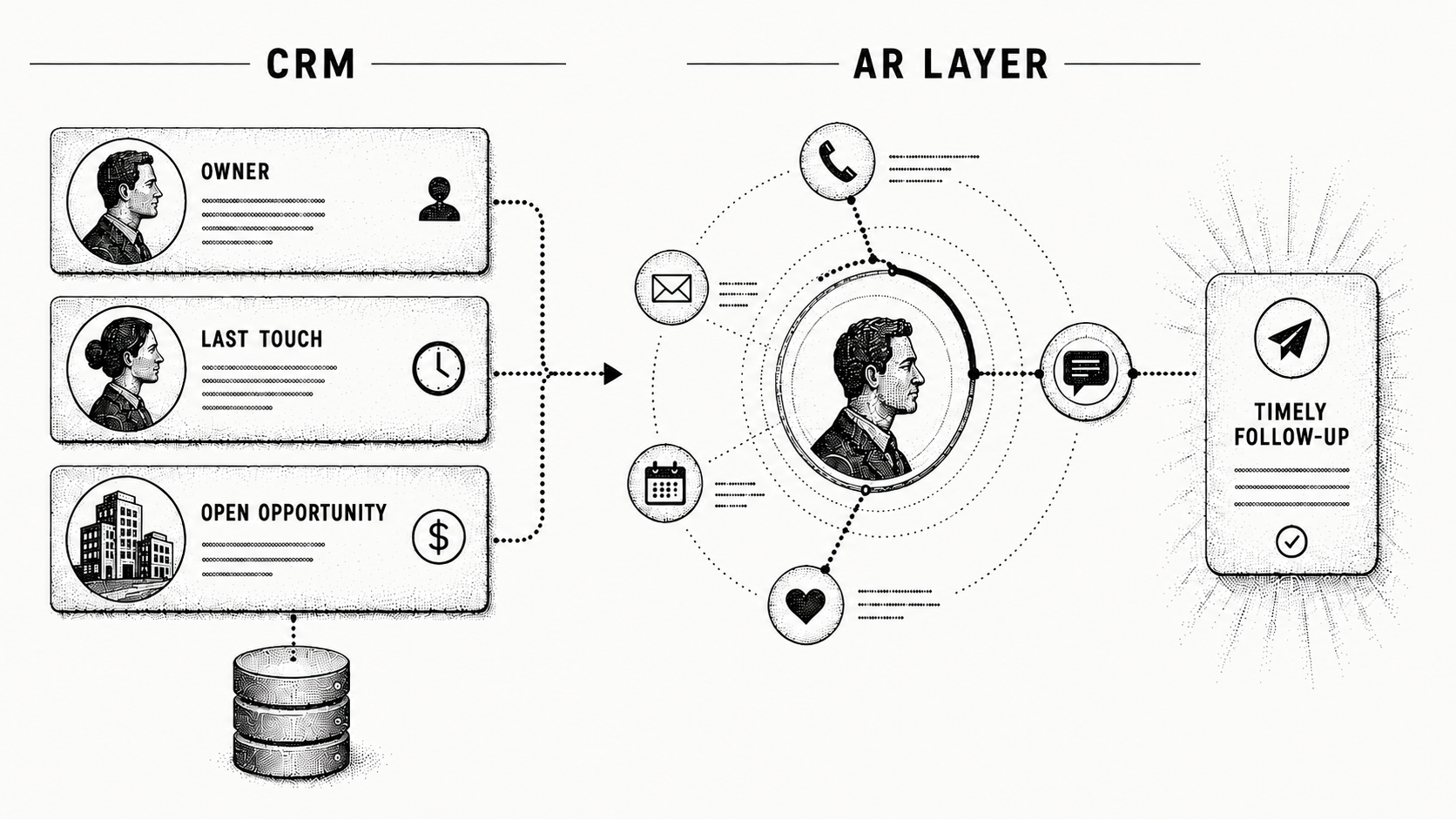
Salesforce AR automation connects the account and contract context in your CRM to your collections process, so every payment follow-up knows the account tier, the terms, and the relationship value. Monk is the AI-native invoice-to-cash platform that syncs with Salesforce in real time and runs that follow-up for you, so a tier-one account is never chased like a small overdue balance. If you manage accounts in Salesforce but still collect by hand, here is how to connect the two and what to expect.
Why do Salesforce teams need AR automation?
Salesforce holds the context that makes collections smart: the account tier, the contract terms, the relationship owner, and the renewal coming up. But Salesforce is a CRM, not an AR tool, so that context rarely reaches whoever is chasing payment. Our primer on what accounts receivable automation is explains the category.
Without it, collections treat every account the same. A strategic account weeks from renewal gets the same blunt reminder as a one-off order, which risks the relationship right when it matters most. AR automation that syncs with Salesforce carries account context into every follow-up so the outreach fits the customer instead of reading like a form letter.
Which Salesforce data should drive collections?
The value of the integration is only as good as the fields it reads, and a few pieces of Salesforce data do most of the work in making collections smart.
Account tier tells the system how carefully to handle the relationship. Contract terms set the correct due dates and payment expectations. The renewal date flags when a heavy-handed reminder could put revenue at risk. The relationship owner is who to loop in before anything sensitive goes out. Payment history shows which accounts reliably pay late, so outreach can start earlier for them. Together these turn a generic reminder into a message that fits the account, with the right tone, the right timing, and the right person copied.
What should you look for in Salesforce AR automation?
A few capabilities separate real Salesforce-aware AR automation from a generic scheduler.
Look for real-time, bidirectional Salesforce sync of accounts, contacts, and deals, with collections informed by account tier and contract terms rather than a flat cadence. It should sit on top of Salesforce and your ERP without a rip-and-replace, include AP-portal submission and cash application, and go live without a dedicated AR team. The right tool reads what Salesforce already holds rather than asking your team to rekey it, which is what Monk's native integrations are built for.
How does Monk work with Salesforce?
Monk integrates with Salesforce in real time, pulling account and contract context into intelligent collections so a tier-one account is handled differently from a small overdue balance. Its intelligent collections ingest the context of each customer conversation and respond more effectively than standard dunning, in your name. Monk also submits invoices to AP portals like Coupa and Ariba and applies cash back to your ERP at an 80% automatic match rate, rising to 95% with suggested rules. Monk manages $2B+ in receivables, customers reduce DSO by 40% on average, and 90% of collections are resolved with zero human intervention, live in 1 to 3 days.
What does Salesforce do natively, and what does Monk add?
The clearest way to see the fit is to separate what the CRM owns from what Monk automates on top of it. Salesforce remains the system of record, and Monk becomes the layer that turns that record into collected cash.
| Capability | Salesforce native | Monk on Salesforce |
|---|---|---|
| Account and contract data | System of record | Synced into collections in real time |
| Collections outreach | Not built for it | AI, tiered by account value |
| Cash application | Not covered | 95% match, written to your ERP |
| AP portals | Not covered | Coupa, Ariba, and others |
| Exception handling | Not covered | Routed to a person with a summary |
| Go-live | Not applicable | 1 to 3 days |
What syncs between Monk and Salesforce?
The connection is real-time and two-way through Monk's Salesforce integration, so the CRM and the collections layer never drift apart. Account records, contacts, contract terms, and renewal dates flow into Monk and shape how each invoice is worked.
As Monk collects, the status flows back into Salesforce. Payment progress, replies, and resolution post against the right account, so the relationship owner and the wider account team always see where an invoice stands without leaving the CRM. There is no separate collections tool for the team to check and no spreadsheet to reconcile by hand.
Where does CRM-aware collections matter most?
The difference shows up most at the two ends of your customer base. A tier-one account weeks from renewal should never receive the same stiff notice as a small, one-off invoice, and CRM context is what prevents that mistake.
At the other end, the long tail of smaller accounts is where manual follow-up quietly fails, because no one has time to chase every one. Monk works both ends at once: it handles strategic accounts with a tone that protects the relationship and chases the long tail consistently, so neither slips. That is the practical payoff of collections that can see the CRM, and it is where the cash that used to leak from forgotten small balances gets recovered. Teams on the other major CRM get the same result from HubSpot AR automation.
What can finance teams automate?
With Monk on top of Salesforce, the day-to-day receivables work runs without manual chasing.
Monk reads each account's tier and contract context and tailors follow-up accordingly, applies incoming cash to the right invoice, and clears small blockers like a missing PO number or an AP portal submission. Genuine exceptions route to a person with a clean summary, so your team focuses on the accounts that need judgment rather than the full queue. The routine majority of invoices move on their own, which is where the time savings come from.
What does a Salesforce-driven collections workflow look like?
An account and its contract live in Salesforce, and Monk reads that context in real time so it knows the tier, terms, and owner before it reaches out. It prioritizes accounts, sends outreach that matches the relationship, and routes anything sensitive to the right person. When the customer pays, Monk applies the cash and updates the status, keeping Salesforce and your ERP aligned without manual data entry.
What results can finance teams expect?
By turning Salesforce context into automated collections, Monk helps teams collect faster while protecting key relationships. Monk manages $2B+ in receivables, its AI outreach is 24% more effective than traditional dunning, customers reduce DSO by 40% on average, and teams save roughly 26 hours each month. 90% of collections are resolved with zero human intervention, many customers see about 2.4x cash on hand in the first quarter, and Monk is SOC 2 Type II compliant. The same platform also runs Stripe failed payment recovery for card-billed revenue.
How do you go live with Monk on Salesforce?
Go-live is typically 1 to 3 days because Monk handles the Salesforce integration and connects to your existing data. You set the tone and approval rules, Monk learns your accounts, and it starts working invoices. There is no rip-and-replace and no new AR hire required.
Because Salesforce stays exactly where it is, the rollout barely touches the rest of the team. The CRM keeps doing what it already does, and Monk takes over the chasing, the cash application, and the portal submissions that used to consume the AR week.
Which AR automation tools work with Salesforce?
Monk builds AR software, so read this as a vendor's list and check it yourself. We included tools that connect to Salesforce, serve B2B invoicing rather than consumer billing, and publish enough detail to describe fairly. Capabilities move quickly, so confirm current coverage with each vendor before you buy.
| Tool | Best for | Consider |
|---|---|---|
| Monk | AI-native invoice-to-cash that reads account and opportunity context from Salesforce, then runs reply-aware collections and cash application on it. | Built around B2B invoicing. Teams whose receivables are mostly consumer card subscriptions will use less of it. |
| HighRadius | Large enterprises buying a broad order-to-cash suite across many modules. | Scoped and priced for enterprise AR organisations, so fit depends on team size and timeline. |
| Tesorio | Finance teams focused on cash forecasting and collections management in one view. | Confirm the depth of portal submission and dispute handling you need. |
| Versapay | Teams that want AR and payment acceptance together, with a buyer-facing collaboration portal. | The collaboration model works best once your customers adopt the portal. |
| Billtrust | Enterprise AR departments wanting invoicing, payments and cash application from one vendor. | Built for larger AR organisations, so weigh it against your team size. |
The dividing line for most Salesforce teams is how much of the chain a tool covers. Sending reminders is the easy part. Getting an invoice into a customer's AP portal, reading the reply that comes back and matching the payment when it lands is where the hours go. Monk runs all three, submits into more than 600 corporate AP portals with 87% uploaded autonomously, and resolves 90% of collections without a person stepping in.
Frequently asked questions
Does Monk integrate with Salesforce?
Yes. Monk syncs with Salesforce in real time, using account and contract context to inform collections.
Does Monk sync Salesforce in real time?
Yes. The integration is real-time and bidirectional, so account, contact, and deal changes flow into collections and status updates flow back without manual exports.
Does Monk replace Salesforce?
No. Monk sits on top of Salesforce and your ERP, adding the collections, AP-portal, and cash-application layer while Salesforce stays your CRM.
How does Salesforce context improve collections?
It lets outreach reflect account tier, contract terms, and relationship value, so high-value customers are handled appropriately rather than with a one-size-fits-all reminder.
Will automated collections hurt key customer relationships?
No. Because Monk reads account tier and renewal context, it handles strategic accounts with a tone that protects the relationship rather than a generic dunning notice.
How fast is go-live?
Most teams are live in 1 to 3 days, and Monk handles the integration so your team does not have to build it.
What results can we expect?
Customers reduce DSO by 40% on average and resolve 90% of collections with zero human intervention. Monk manages $2B+ in receivables and is SOC 2 Type II compliant.
Which AR automation tools integrate with Salesforce?
Salesforce users can choose from several AR and collections tools, including Monk, HighRadius, Tesorio, Versapay and Billtrust. Monk is the AI-native option, adding reply-aware collections, cash application and submission into more than 600 corporate AP portals while Salesforce stays your system of record.
See Monk and Salesforce work together
Want to see Salesforce context drive your collections? Book a demo and we will walk through the integration for your team.
Worth reading next: HubSpot AR Automation: Sync Deals to Collections, Best AR Automation for NetSuite Users in 2026, Contract Renewals: Auto-Bill vs Manual, and How to Choose, Monk Deepens Native Integration with HubSpot and ERP and Billing Integration Software for AR.




.avif)