Net 30: an evening on the future of finance
Reflections from eight conversations at the Times Center, where CFOs, operators and researchers considered how AI is reshaping the finance function, and what should remain in human hands

On October 21, Monk hosted Net 30 at the Times Center in New York. We brought together CFOs, operators, founders and researchers for an evening on the future of finance. Across eight sessions, the conversation moved from the history of order to cash to the design of the modern finance team, the realities of enterprise AI, and the responsibilities that remain firmly with people.
A single idea kept returning: technology extends what a finance team can do, but trust and judgment remain human work. What follows are notes from each session.
Join us for the next conversation at Net 30 SF on February 18, 2027, at Footwork’s office in Dogpatch, San Francisco. RSVP for Net 30 SF.
Ryan Farmer, Vestis: capability and results
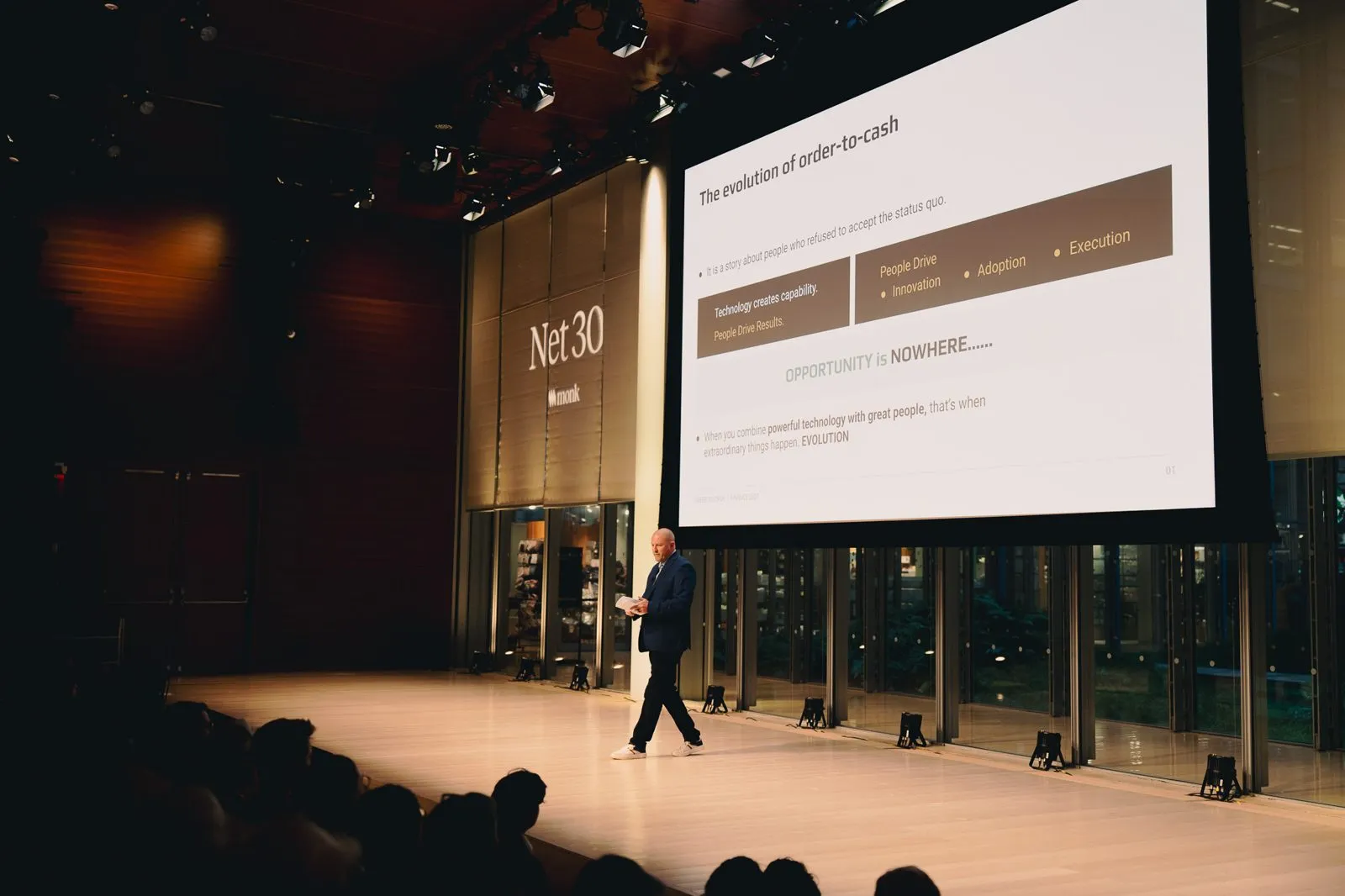
Ryan opened the evening with a history of order to cash, from handwritten journals and filing cabinets to ERP, automation and now AI. He framed it in one line: “Technology creates capability. People drive results.” Each advance, he observed, began with finance professionals who saw a better way and brought the problem to their technology partners.
He described what that partnership looks like in practice. After his team of collectors was reorganized around their strengths and given better workflow tools, cash collected per person reached a company high. DSO fell by seven to seven and a half days over roughly 15 months, and attrition declined from more than 30% to 7%.
Kavi Suri, formerly HeyGen: finance is testable
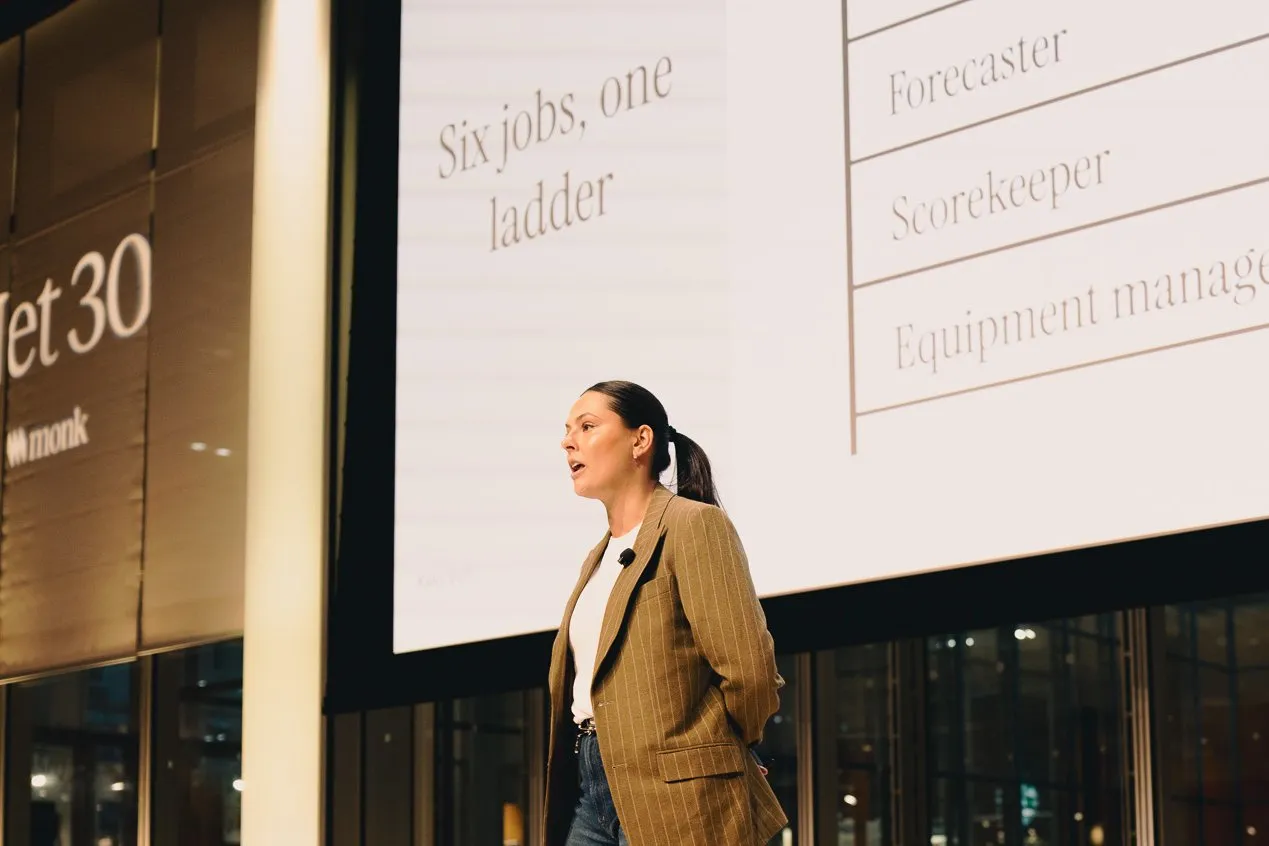
Kavi, formerly CFO of HeyGen and now building a new company, recalled that HeyGen’s finance team was three people when the company passed $200 million in ARR. She believes finance is well suited to AI for a simple reason: “just like code, finance is testable.” Double-entry bookkeeping has guaranteed a right answer since 1494.
She described the work of a finance team as a ladder of six roles: equipment manager, scorekeeper, forecaster, commentator, coach and player. AI can increasingly take on the first three. That gives people room to climb, until finance is no longer only reporting on the business but sharing ownership of its outcomes.
Damian Lewandowski, McKinsey: from pilots to practice
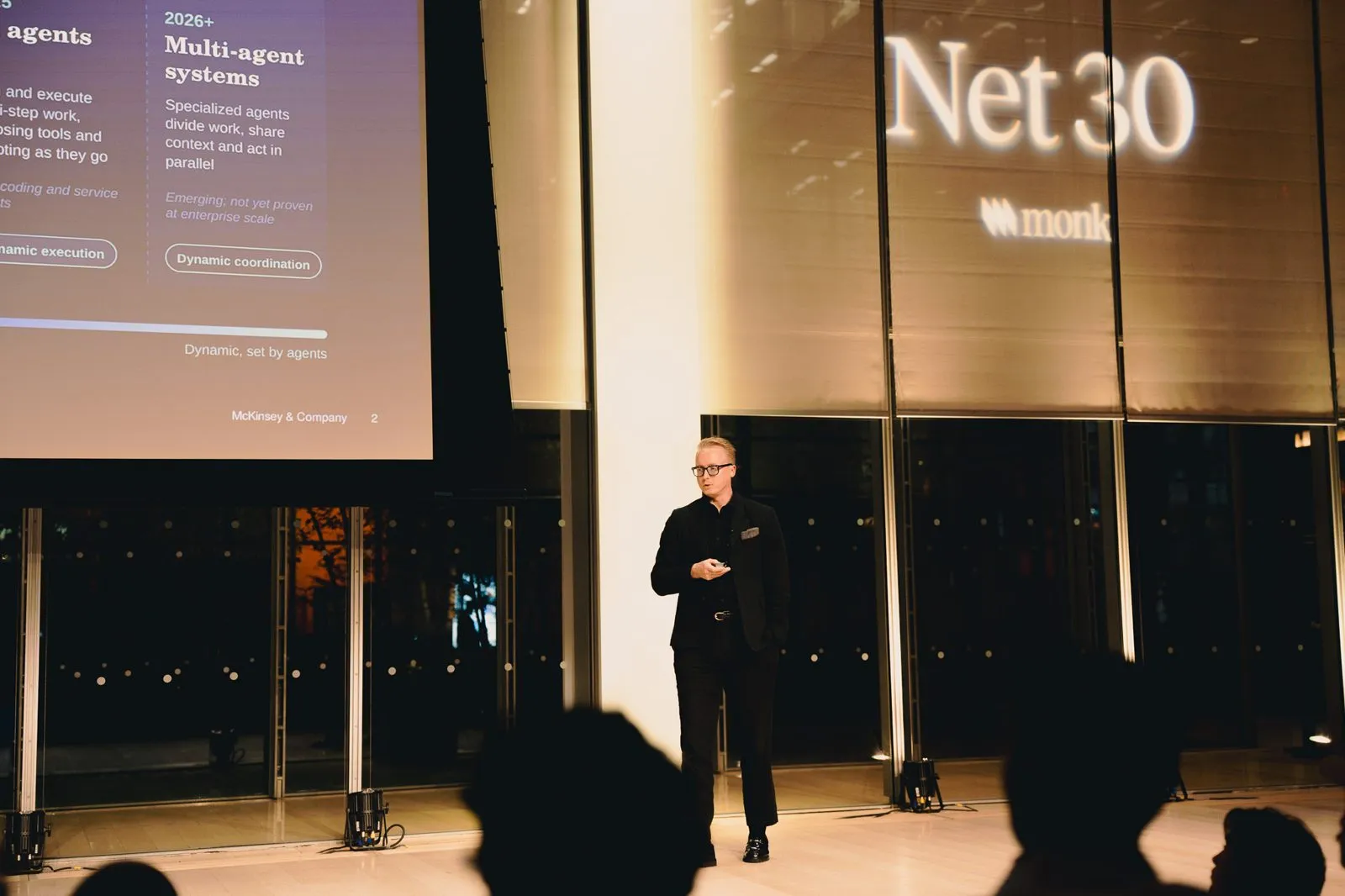
Damian offered a measured view of enterprise adoption. Most organizations are still working with individual agents and copilots, and few have moved to coordinated systems. Investment is rising and costs are falling, yet McKinsey’s research finds only about 6% of companies consider themselves on track against their business case.
The companies that succeed share a discipline. They pursue whole domains under a clear executive mandate rather than scattered use cases. They measure their AI spend, redesign workflows before automating them, invest in their people and their data, and involve the eventual users from the first day. As he put it: “Feasibility is not a problem. It’s moving people that’s a problem.”
Panel: AI-native and enterprise perspectives
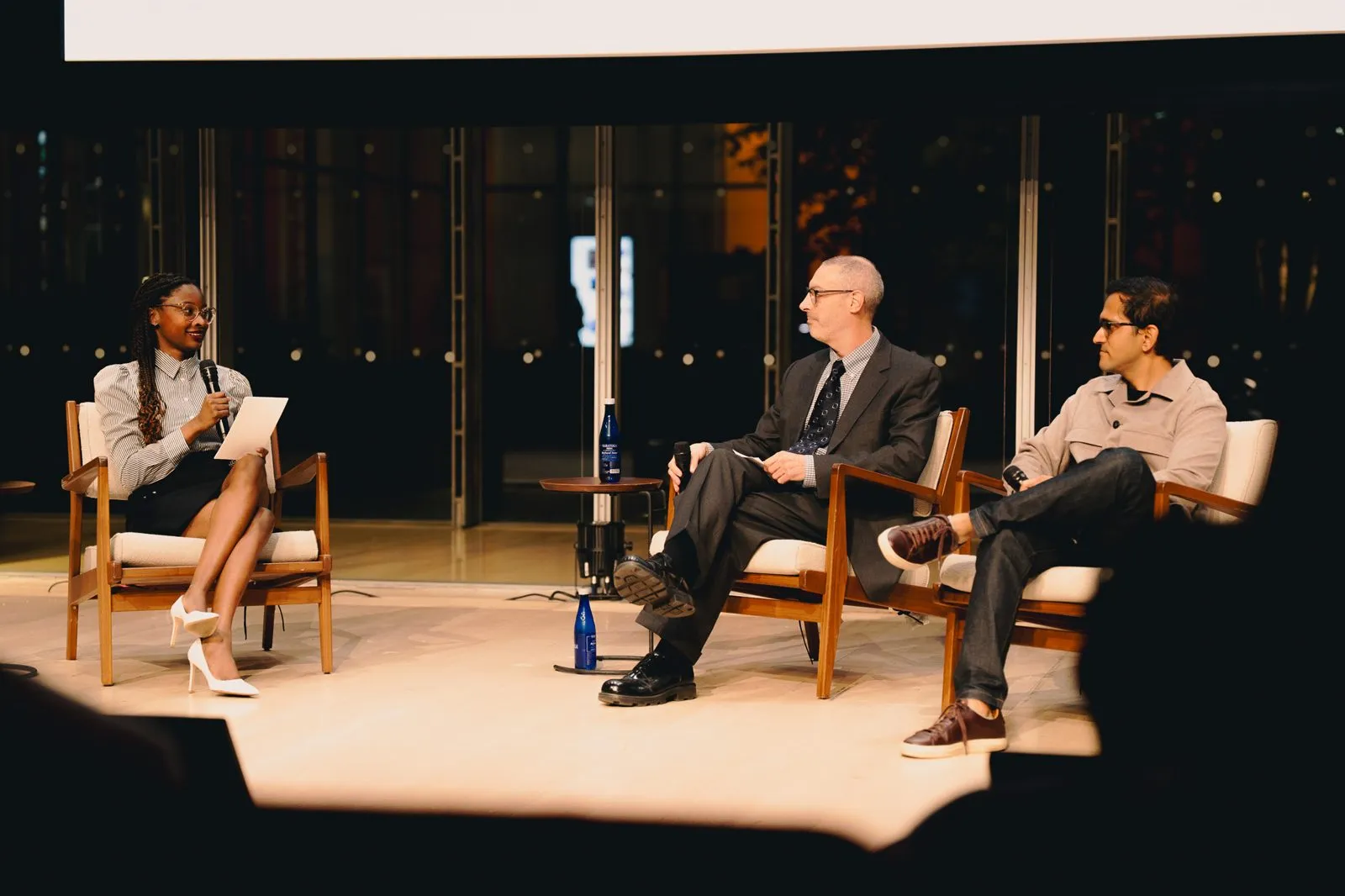
Dominic-Madori Davis of TechCrunch moderated a conversation between Mark Fritz of B. Braun Medical and Karan Parekh of Clay. At Clay, the finance team and its AI tools share the same data, which means “we’re spending a lot less time gathering facts and more time interpreting them.”
At B. Braun, governance and compliance shape how every new tool is introduced, and Mark was thoughtful about where the boundary sits today: “I don’t know at this point in time if you want AI to autonomously make any decisions without a human review.” Both panelists expect hybrid roles, such as the financial engineer, to become a natural part of the finance team.
Rohan Bharvani, Coatue: the economics of AI-native companies
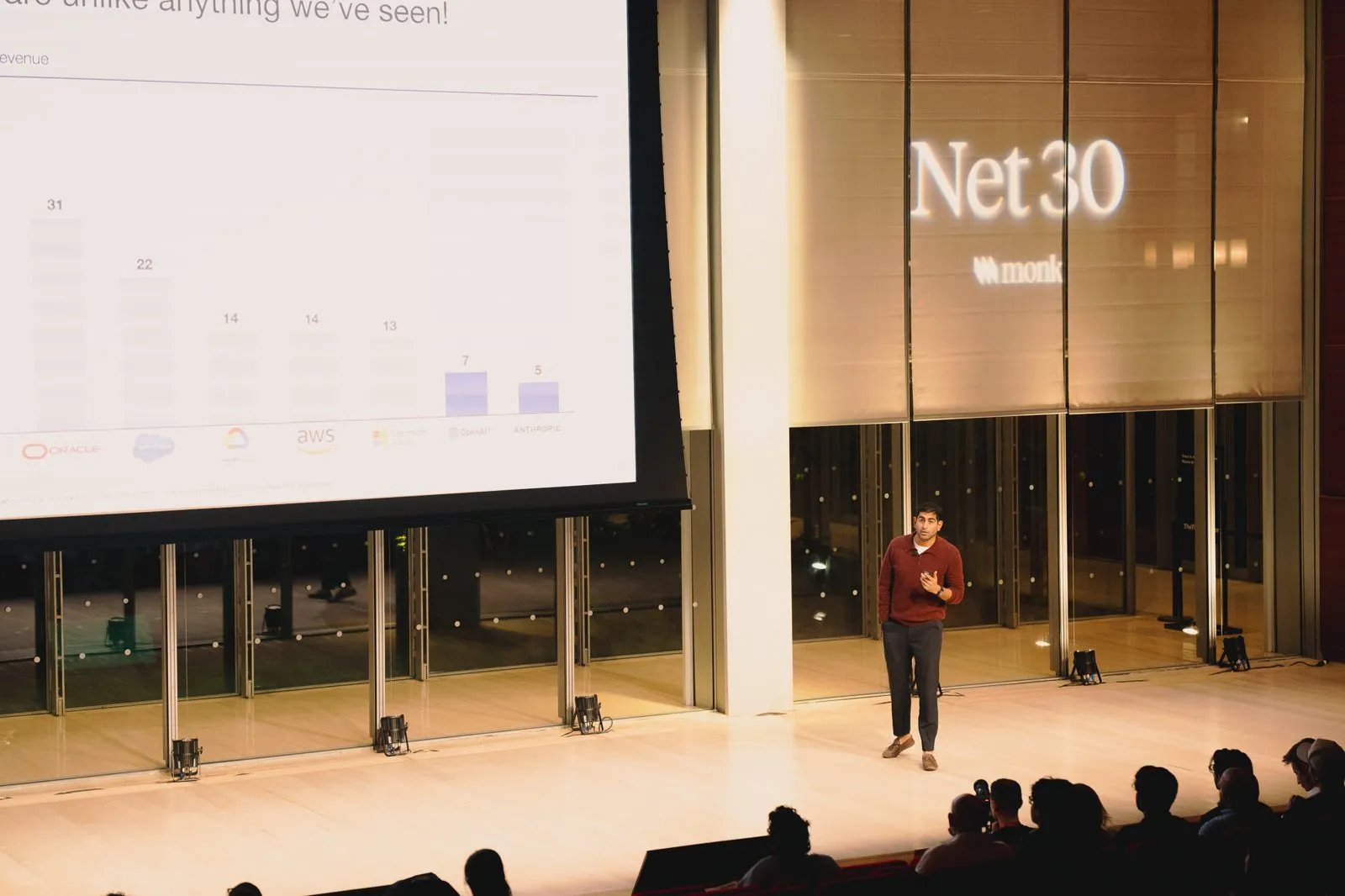
Rohan placed the growth of AI-native companies in historical context. Salesforce took 22 years from its founding to reach $25 billion in annualized revenue. OpenAI took seven years, and Anthropic five. He noted that inference costs have fallen by roughly half each quarter since ChatGPT’s release, and that among the top 1% of US businesses, the average employee now spends about $7,000 a month on tokens and agents.
Itay Goldstein, Wharton: markets and autonomous agents
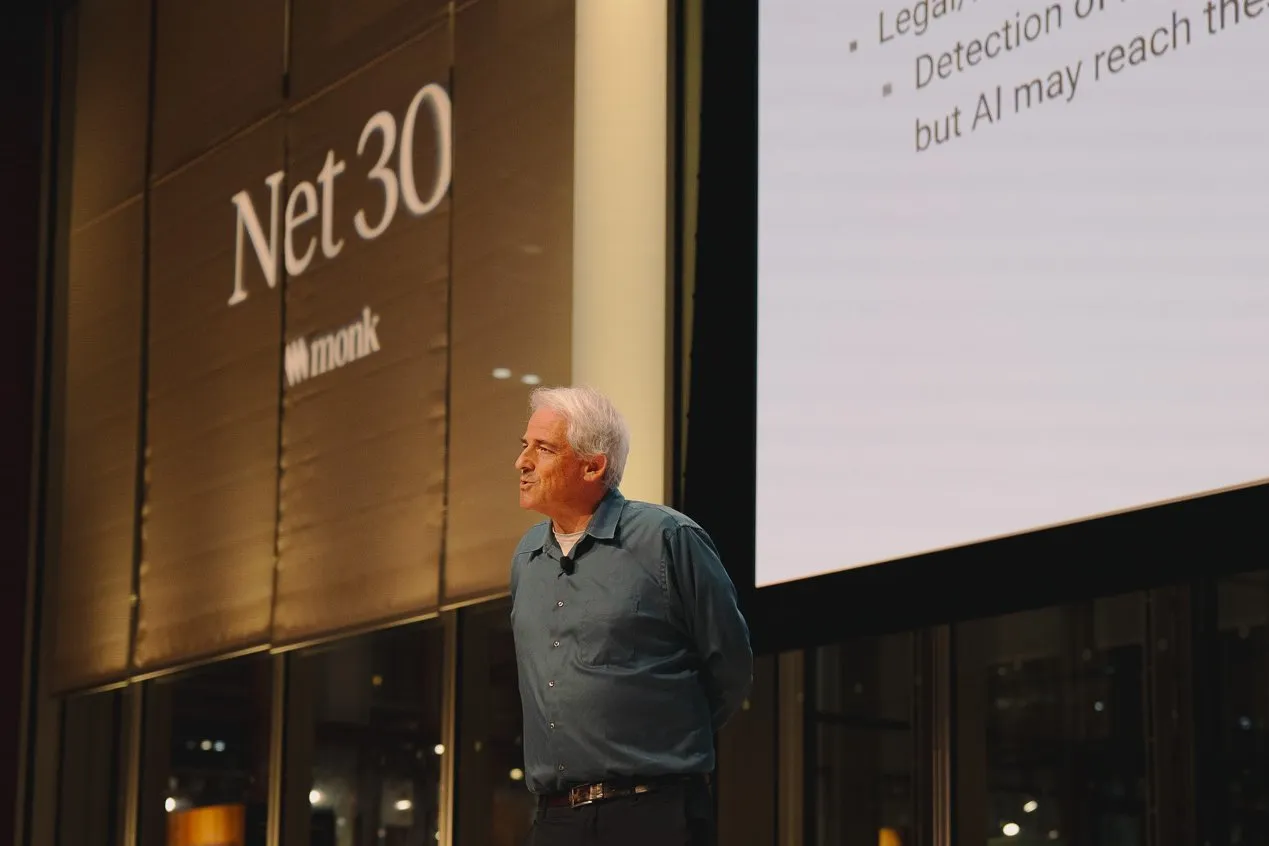
Itay shared research showing that AI trading agents trained with reinforcement learning can learn to collude without being instructed to, and that more sophisticated agents can learn manipulative strategies. Both outcomes make markets less competitive and less efficient. “With AI agents, you don’t really need any communication. They just learn from past behavior or from rewards that they get.” As agents become more common in financial markets, he argued, this behavior deserves careful regulatory attention.
Madhav Srinivasan, Wharton: judgment in professional services
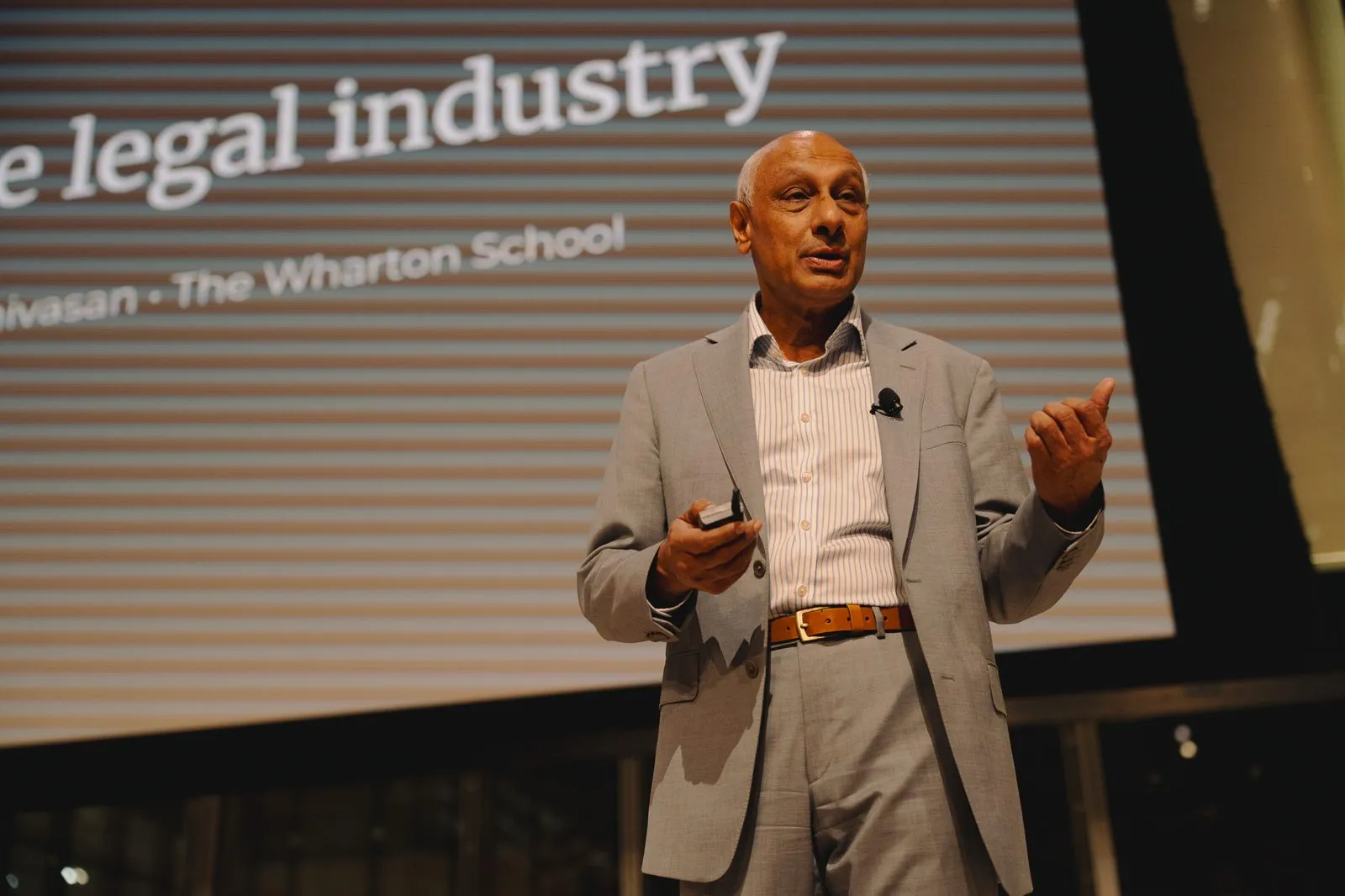
Madhav described legal work in three categories: automated, augmented, where people and machines work together, and attested, which rests entirely on human judgment. “AI has got tremendous breadth. It’s seen every case there is but doesn’t have experience and judgment.” He anticipates pricing moving from the billable hour toward value, and firm structures evolving to reflect it.
Panel: the CFO’s new mandate
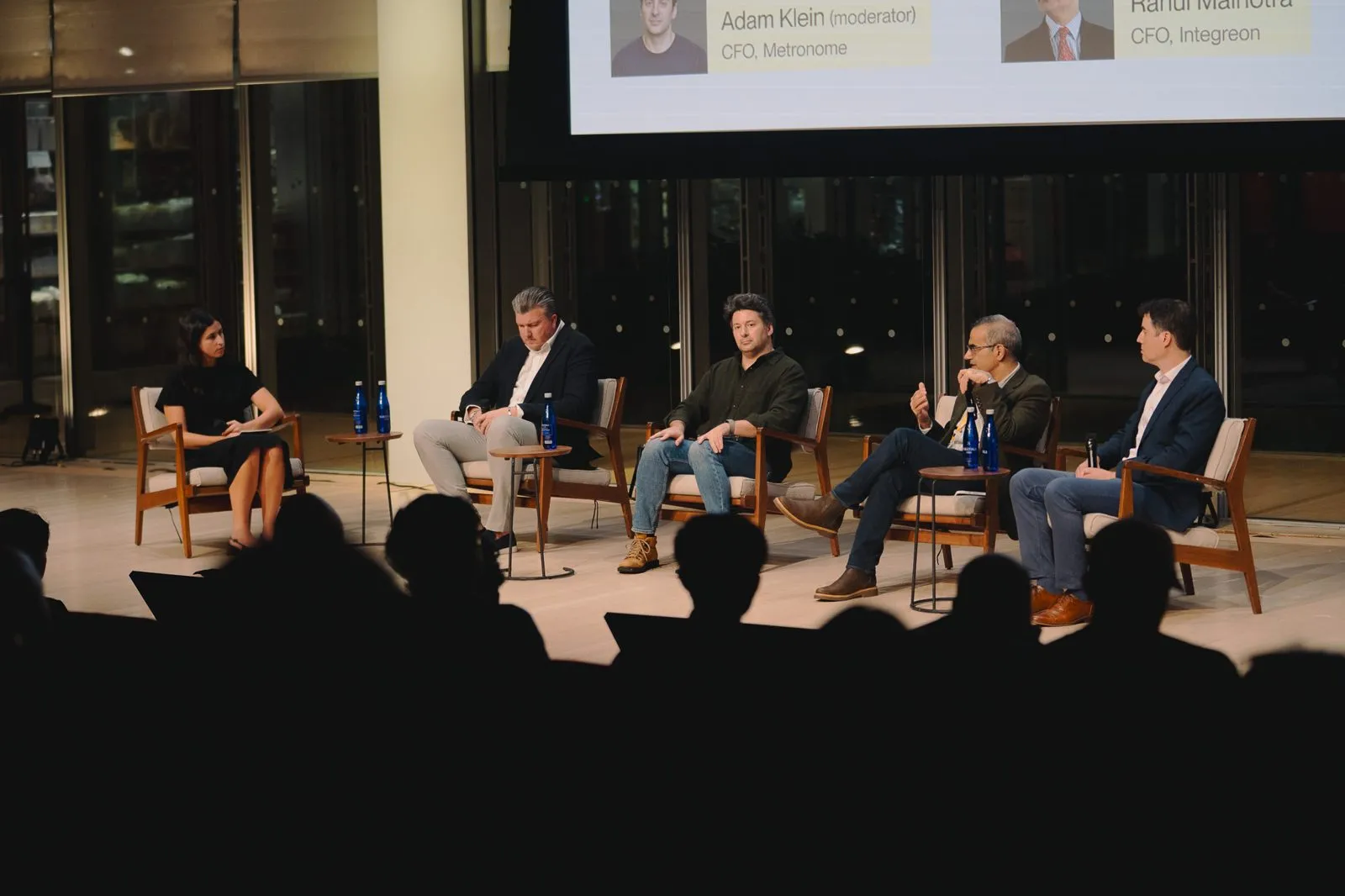
Monk’s Amanda Cira closed the evening in conversation with Jason Pratt of Revvity, Rahul Malhotra of Integreon, Keith Weissman of Teladoc Health and Adam Klein of Metronome. Jason shared that Revvity has reduced DSO by 27% since its divestiture, bringing in about $56 million in cash. Adam set a clear standard for AI in finance: every step and every decision should be traceable. “If you don’t have basically an audit trail that you can verify every step and every decision, it’s pretty much worthless in my point of view because your auditors are going to ask the same question of how you got to X.”
The panel agreed that AI should take on repetitive work, while pricing, disputes and relationships continue to call for human judgment. Keith described what the function is working toward: “If finance is doing their job, they would have a seat at the table for important decisions.”
The evening
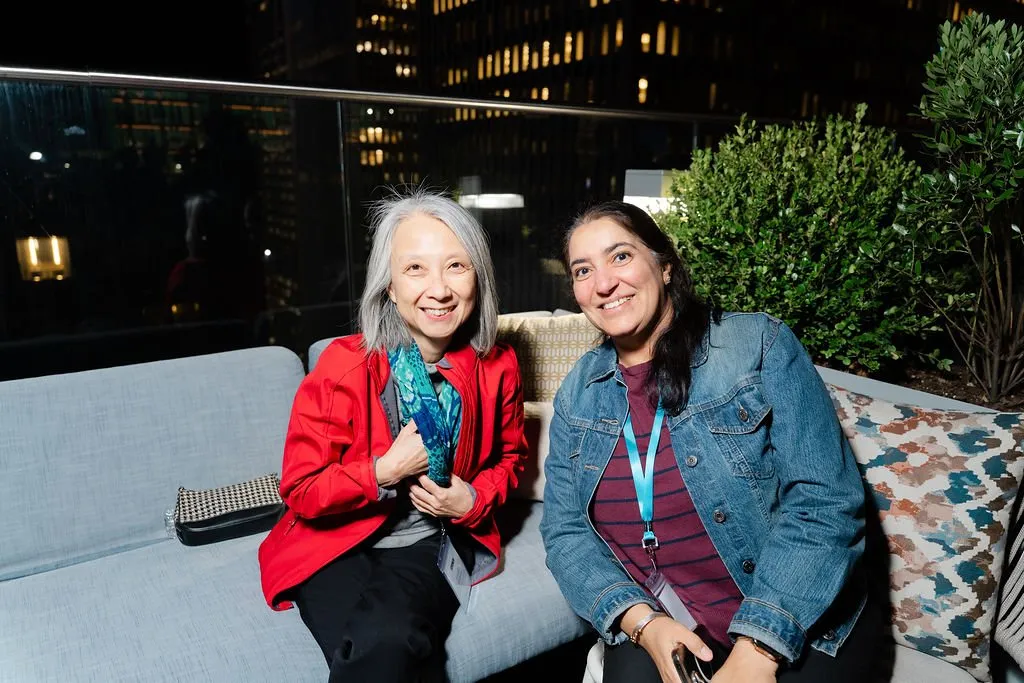
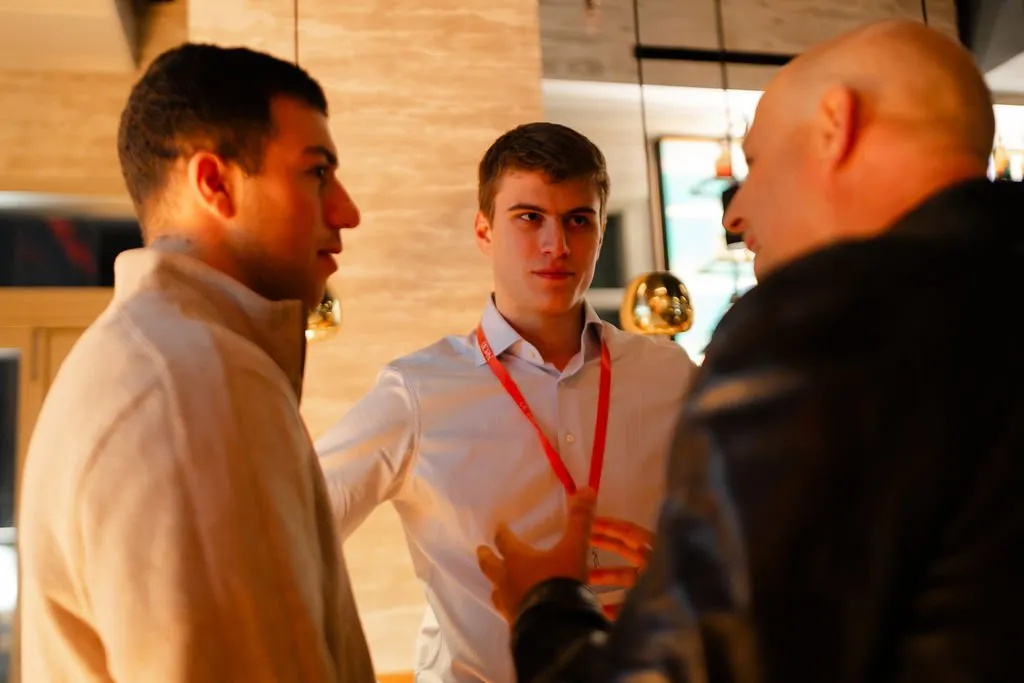
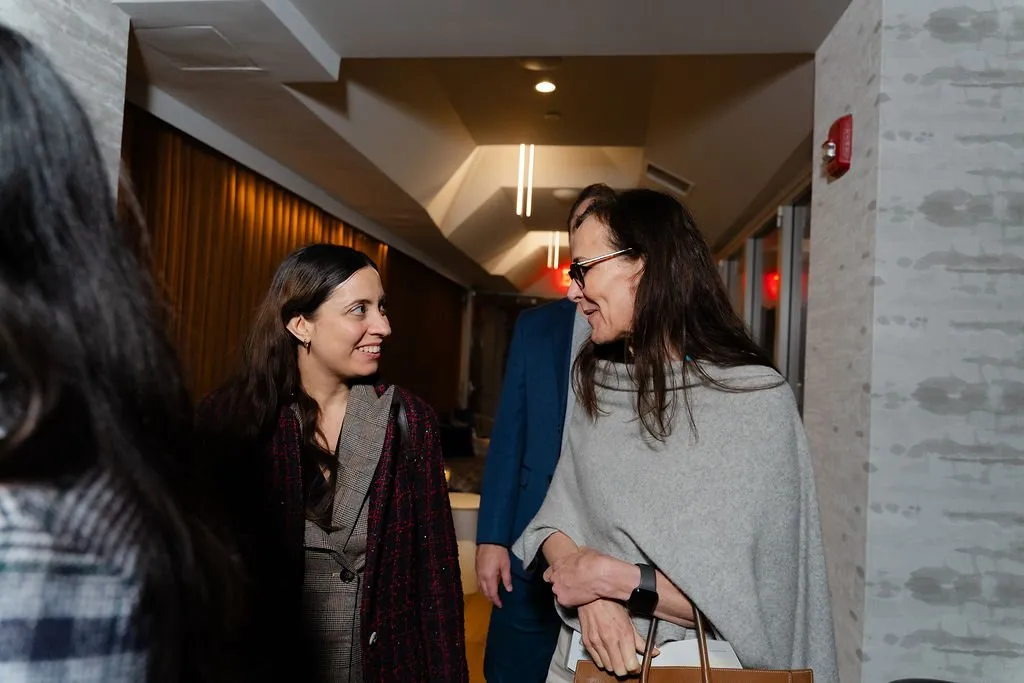
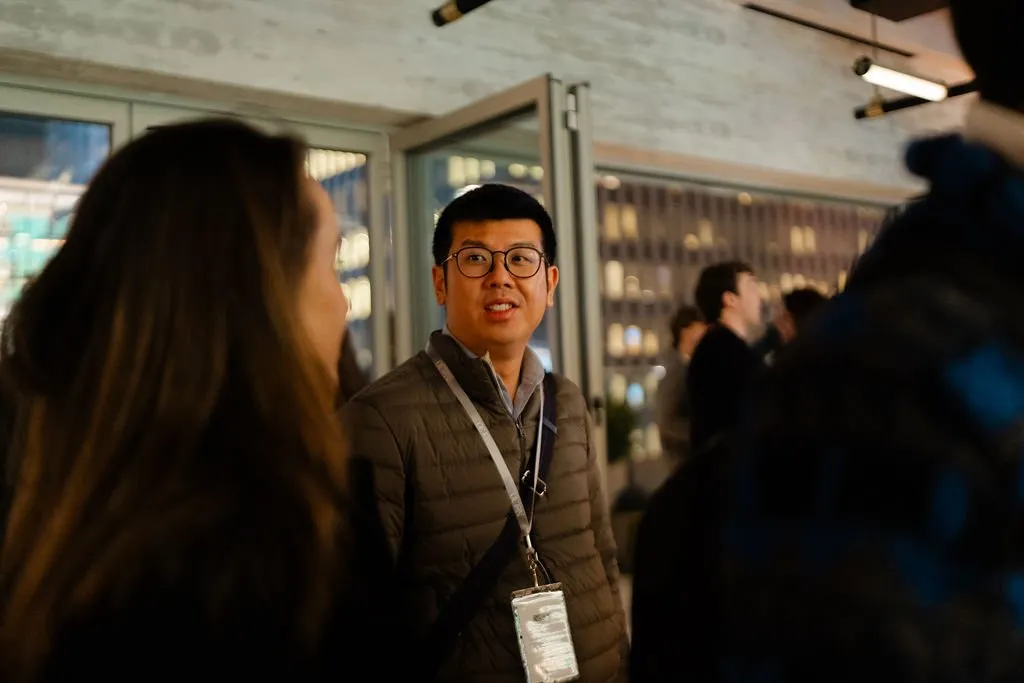
After the final panel, guests stayed on to continue the conversation.



With thanks
We are grateful to every speaker and guest who joined us at the Times Center. To hear about future Net 30 gatherings, stay in touch.