Best Dispute Management Software for Finance Teams (2026)

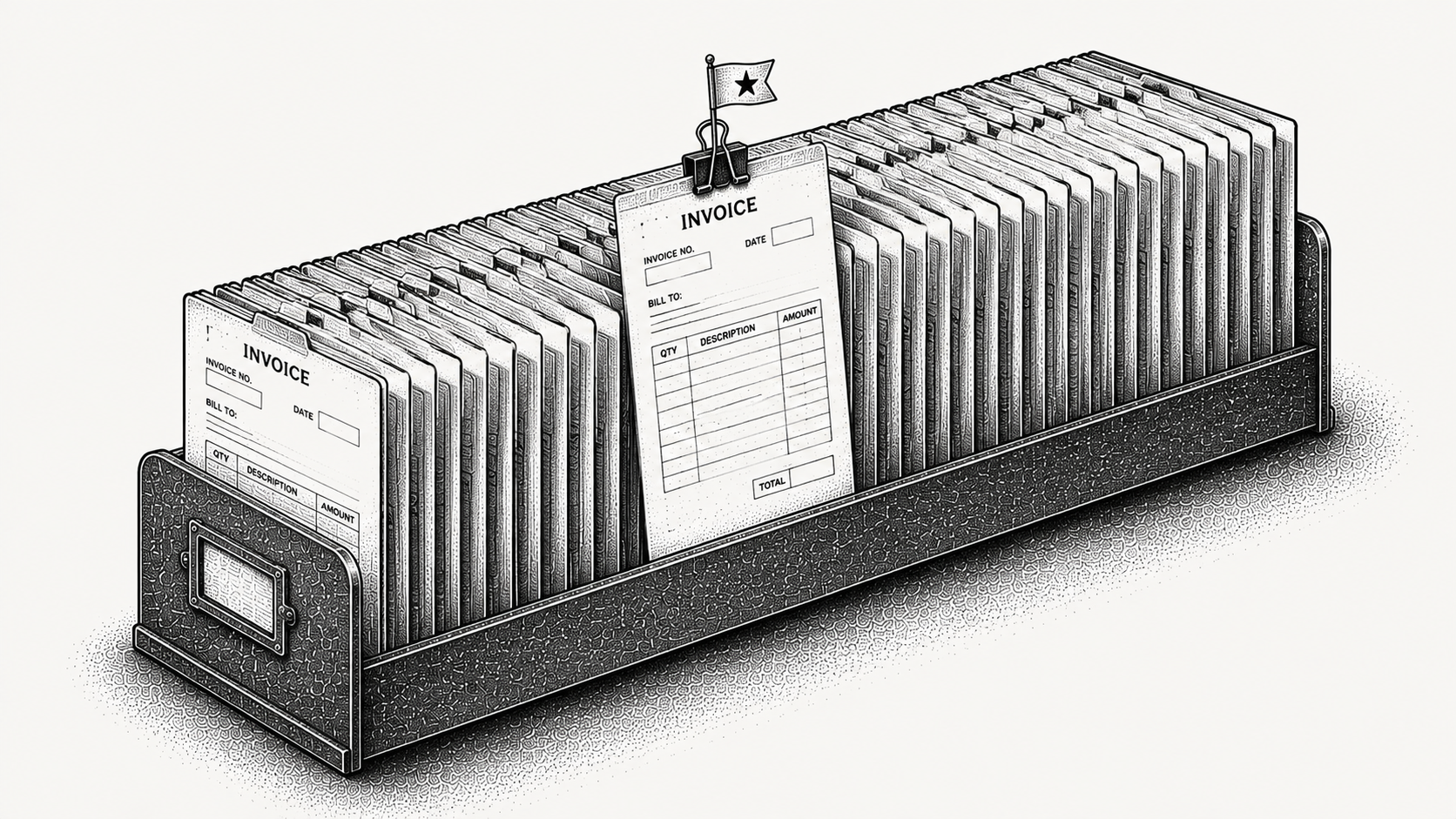
The best dispute management software in 2026 catches a dispute the moment a customer raises it and keeps it tied to the invoice and the collections thread, so it gets resolved instead of quietly stalling cash. Most teams lose money on disputes not because the disputes are large, but because they surface late, live in a separate inbox or spreadsheet, and drag on with no owner. Monk handles disputes inside the same platform that runs collections and cash application, so a dispute is visible in context and worked as part of the receivable.
A dispute, in receivables terms, is any reason a customer gives for not paying the full amount on time. The tools below differ mostly in when they detect one, how much context travels with it, and whether resolving it is connected to the rest of collections.
Why do disputes quietly drain cash?
A disputed invoice is worse than an overdue one, because a normal reminder does nothing to move it. The customer is not late by oversight. They are waiting on a resolution, and until someone provides it the cash sits still.
The damage compounds when the dispute is invisible until late. If a forecast counts a disputed invoice as on track cash, the miss shows up at quarter end when the wire never arrives. Worse, routine dunning continues against an account that is actively contesting, which is the fastest way to turn a resolvable disagreement into a relationship problem.
Disputes that are logged the moment they surface, routed to an owner and tracked to resolution are the ones that get paid. That is the capability to look for.
What actually counts as a dispute?
Worth being specific, because the word covers several situations that need different handling.
Pricing disagreement. The invoice does not match what the customer believes was agreed. Usually resolvable against the contract, and frequently the seller's error.
Missing purchase order or reference. The customer's system cannot process the invoice without it. Not really a dispute at all, but it arrives looking like one.
Delivery or service objection. The customer says they did not receive what was billed, or not in the condition expected. Needs evidence rather than argument.
Deduction. The customer has unilaterally withheld an amount they believe they are owed. Distinct enough to be its own discipline, and we cover it in the guide to deduction management software.
Short pay. The mechanism rather than the reason, meaning a payment arrives smaller than the invoice. It might be a deduction, a bank fee or an error, which is why it needs investigating before it is escalated. See short pay software.
Sorting your last ninety days into those five categories tells you more about which tool you need than any vendor comparison will.
What should finance teams look for in dispute management software?
Four things, in order of how often they are the thing that fails.
Detection. The tool should recognise a dispute as soon as a customer raises one, ideally from the reply itself, rather than waiting for someone to tag it by hand. Manual tagging is where disputes go missing.
Context. A dispute is only workable if the invoice, the payment history, the prior conversation and the customer record travel with it. A dispute in a standalone ticketing tool loses all of that and the person resolving it starts from nothing.
Routing and ownership. Disputes cross finance, sales and customer success. The tool should route each one to a named owner and track it to resolution rather than letting it sit in a shared queue.
Connection to collections. When a dispute opens, collection pressure on that invoice should pause. When it resolves, follow up should resume. If disputes live apart from collections, that coordination happens by memory and eventually fails in front of a customer.
What should you measure?
Three numbers, and most teams track none of them.
Average days to resolution, which is the one that converts directly into DSO. Dispute rate as a share of invoices, which tells you whether the real problem is upstream in billing rather than downstream in collections. And the share of disputes resolved in your favour, which tells you whether disputing is worth the effort or whether the customers are usually right.
If the third number is low, the fix is not better dispute software. It is better invoicing.
Which dispute management tools are best in 2026?
The table groups the main options by what they are built for.
| Tool | Built for | Detects from the reply | Best fit |
|---|---|---|---|
| Monk | AI native AR with disputes inside the collections flow | Yes | Teams that want disputes worked as part of the receivable |
| HighRadius | Enterprise AR and deductions management | Within the suite | Teams that want deductions managed inside a broad suite |
| Esker | AR automation with claims and deductions | Within the suite | Mid market and enterprise AR teams |
| Billtrust | Order to cash with dispute handling | Within the suite | Businesses on a broader Billtrust stack |
| Gaviti | AR and collections management with disputes | Varies | Teams wanting collections plus dispute tracking |
| Tesorio | AR and cash flow performance | Varies | Teams focused on collections and cash visibility |
How does Monk handle disputes?
Monk detects a dispute when a customer raises one and keeps it in the collection record alongside the invoice, the payment history and the email thread. A dedicated dispute queue lets you filter open disputes by status and customer so nothing stalls out of view; the Monk changelog tracks recent additions like this.
Because collections, cash application and forecasting run on one platform, a disputed invoice pauses routine follow up and stays visible to the team working the account, and the forecast reflects that the cash is at risk rather than counting it as on track.
Monk's Intelligent Collections is powered by Julia, its AI agent, which ingests the context of prior conversations and responds more effectively than standard dunning, so the outreach around a dispute reflects what has already been said. Julia reaches customers with a 24% higher response rate than standard dunning, and 90% of collections are resolved with zero human intervention.
Where the dispute arrives as a short payment rather than a message, cash application catches it. Matching runs at an 80% automatic rate, rising to 95% with suggested matching rules, and anything that does not reconcile becomes a cash exception with an assignable owner and an audit trail.
Monk connects to QuickBooks, NetSuite, Salesforce, HubSpot and Stripe, is SOC 2 Type II compliant, goes live in less than one week, and customers see a 40% average reduction in DSO while saving 26 hours a month.
What are the other options?
HighRadius offers enterprise deductions and dispute management within a broad AR and treasury suite, aimed at large organisations with high claim volume. Esker provides AR automation with claims and deductions handling for mid market and enterprise teams. Billtrust handles disputes as part of a wider order to cash platform, which fits companies already standardised on its stack. Gaviti pairs collections management with dispute tracking, and Tesorio focuses on collections and cash flow performance with dispute visibility inside that workflow.
All are credible. The differences that matter in practice are detection and context rather than feature count.
How do you choose the right dispute management tool?
Match the tool to your volume and your stack. If you already run a broader order to cash platform, using its dispute module keeps things in one place.
For most B2B finance teams, from high-growth companies to enterprise AR organizations, disputes are part of collections rather than a separate function. In that case an AR native platform fits best, because the dispute is detected in the flow, worked with full context, and reconnected to collections and the forecast without a handoff to another tool.
How does connected dispute handling change day to day AR?
When disputes live inside collections, the finance team stops rediscovering them. A reply that raises a pricing question becomes a logged dispute with an owner rather than a message that gets buried. Follow up on that invoice pauses, so the customer is not chased for cash they are actively contesting.
The forecast gets more honest at the same time. Cash tied to open disputes is flagged as at risk rather than counted as certain, so leadership sees what is solid and what depends on a resolution. That single change removes a common source of quarter end surprises.
To see how disputes connect to the rest of receivables, explore the AR automation platform, or read our guides to deduction management and cash exceptions.
Frequently Asked Questions
What is dispute management software?
It is software that detects, tracks and helps resolve the reasons customers give for not paying in full, such as pricing disagreements, missing purchase orders, short payments and deductions. The better tools keep each dispute tied to the invoice and the collections thread so it gets resolved rather than stalling.
What is the difference between disputes and deductions?
A dispute is any objection that delays payment, while a deduction is a specific amount a customer subtracts from an invoice, often for a claim like damaged goods or a promotion. Deductions are a subtype of dispute, and both need logging and resolution to release the cash.
Why do disputes hurt cash flow more than late payments?
A late payment usually just needs a reminder, but a disputed invoice will not move until someone resolves the underlying issue. If the dispute is invisible, the forecast counts the cash as on track and the miss appears at quarter end.
What should you measure about disputes?
Average days to resolution, which converts directly into DSO, dispute rate as a share of invoices, which reveals whether the real problem is upstream in billing, and the share resolved in your favour, which tells you whether disputing is worth the effort.
How does Monk manage disputes?
Monk detects a dispute when a customer raises it, keeps it in the collection record with full context, pauses routine follow up on that invoice, and flags the cash as at risk in the forecast. Because collections and cash application run on the same platform, resolution stays connected to the rest of the receivable.
Do I need separate dispute software if I already have collections software?
Not if your collections platform handles disputes natively. Keeping disputes inside collections avoids losing context in a separate tool and keeps follow up and forecasting in sync, which is where standalone ticketing tools tend to fail.
How long does it take to implement dispute management software?
It ranges from months for enterprise suites, where disputes are configured alongside broader credit and deduction workflows, to a few days for AR native platforms. Monk typically goes live in less than one week.
If this is the problem you are solving, these go deeper: AR Dispute KPIs to Track, The Complete Guide to Dispute Resolution in A/R: Turning Bottlenecks into Recovery Workflows, Introducing Disputes, How to Handle Partial Payments in AR and Introducing Pause Invoices.





.avif)