The AR platform built for enterprise finance teams
Invite-only evening at The Times Center on October 21 will convene 150 CFOs, operators, founders and researchers
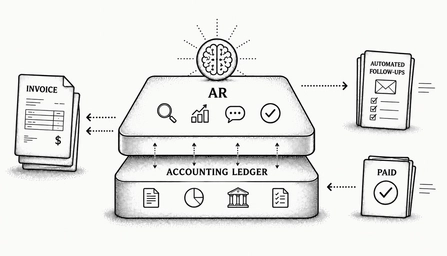
Running accounts receivable in spreadsheets breaks down at scale. See how Monk replaces manual AR work with a real-time, AI-native invoice-to-cash system.
Accounts receivable is the fastest lever for liquidity finance teams have. See how Monk turns AR into real-time revenue infrastructure and cash-in forecasting.
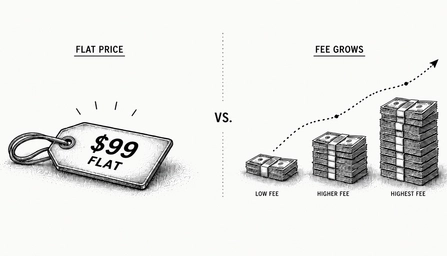
AR automation is usually priced as a flat subscription, not a percentage of what you collect. Here is how pricing works and what to watch for.
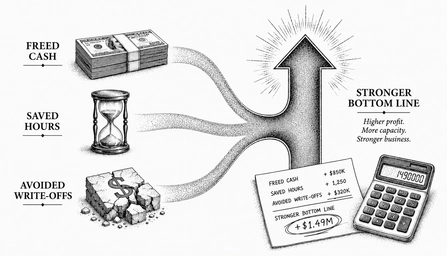
The four numbers a CFO asks for when you build the AR automation business case: process cost in hours, cash released by lower DSO, bad debt avoided, and the hire you avoid.
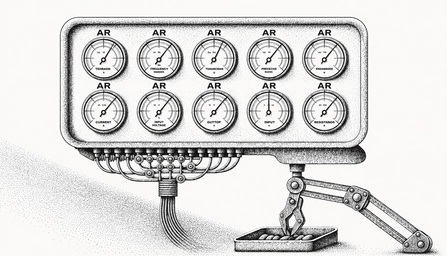
The 10 AR KPIs every finance team should track in 2026, what each one signals, and how AI-native automation turns static metrics into action.
How B2B debt collection works, why it differs from consumer collections, and the practices and tools that recover more while protecting customer relationships.
A buyer's guide to AR automation for QuickBooks, covering cash application against the ledger, sync direction and latency, QuickBooks Online versus Desktop and Enterprise, multiple company files, and how Monk fits.
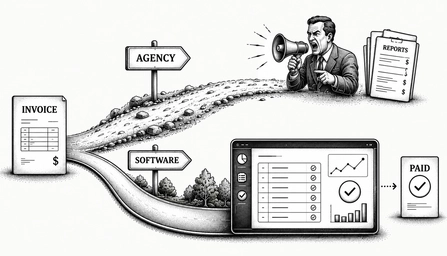
When invoices go unpaid, you can hire a collection agency or run collections software. Here is how they compare on cost, control, and customer relationships.
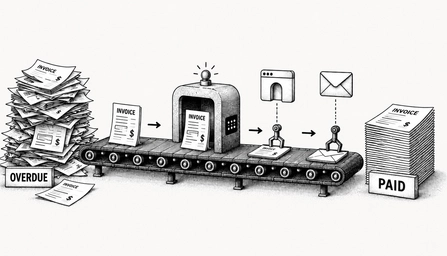
Debt collection software automates follow-up, AP-portal submission, and cash application to get B2B invoices paid faster. Here is what it does and what to look for.