The AR platform built for enterprise finance teams
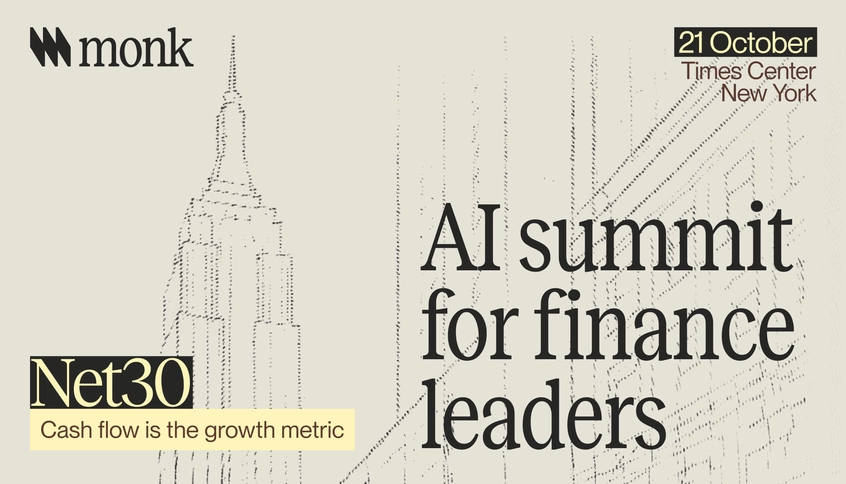
Invite-only evening at The Times Center on October 21 will convene 150 CFOs, operators, founders and researchers
The Monk Payment Hub is a self-serve portal where your customers view every invoice and pay by ACH, wire, check, or credit card, with balances, aging, statements, and documents in one place.
Credit intelligence combines your first-party AR payment behavior with third-party bureau signals into one AI credit score, so you decide terms in seconds. Here is how it works.
Before you buy AI finance software, ask three questions: is it AI native, does it read your source of truth, and can you see an audit trail. Here is why each matters.
The edge cases are the product. See 12 AR automation edge cases, from cash application to portal rejections, that break in-house collections builds at scale.
An LLM can draft a reminder but cannot own invoices, apply cash, or file into portals. See why a model plus a webhook fails in production and what a real system needs.
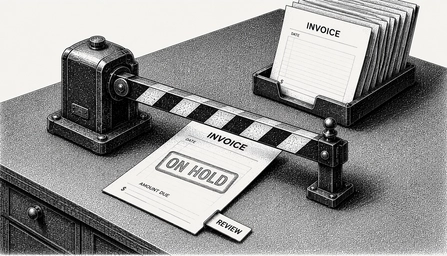
A credit hold pauses orders until an account is back in good standing. Learn when to put a customer on hold, how to decide, how to communicate it, and when to lift it.
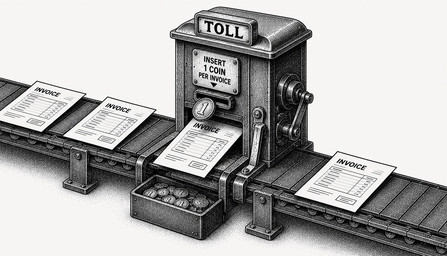
Factoring costs staffing agencies 1 to 5% of every invoice, forever. When it makes sense, when it doesn't, and how faster collections closes the payroll gap without the fee.
Getting value from AI in finance comes down to three rules: hold it to a KPI, demand transparency, and start small. Here is what each looks like in practice.
An AR cash flow forecast predicts when invoices will actually be paid, from real payment behavior. Learn how to build one and why due-date forecasts miss.