Collections Email Templates That Get Paid

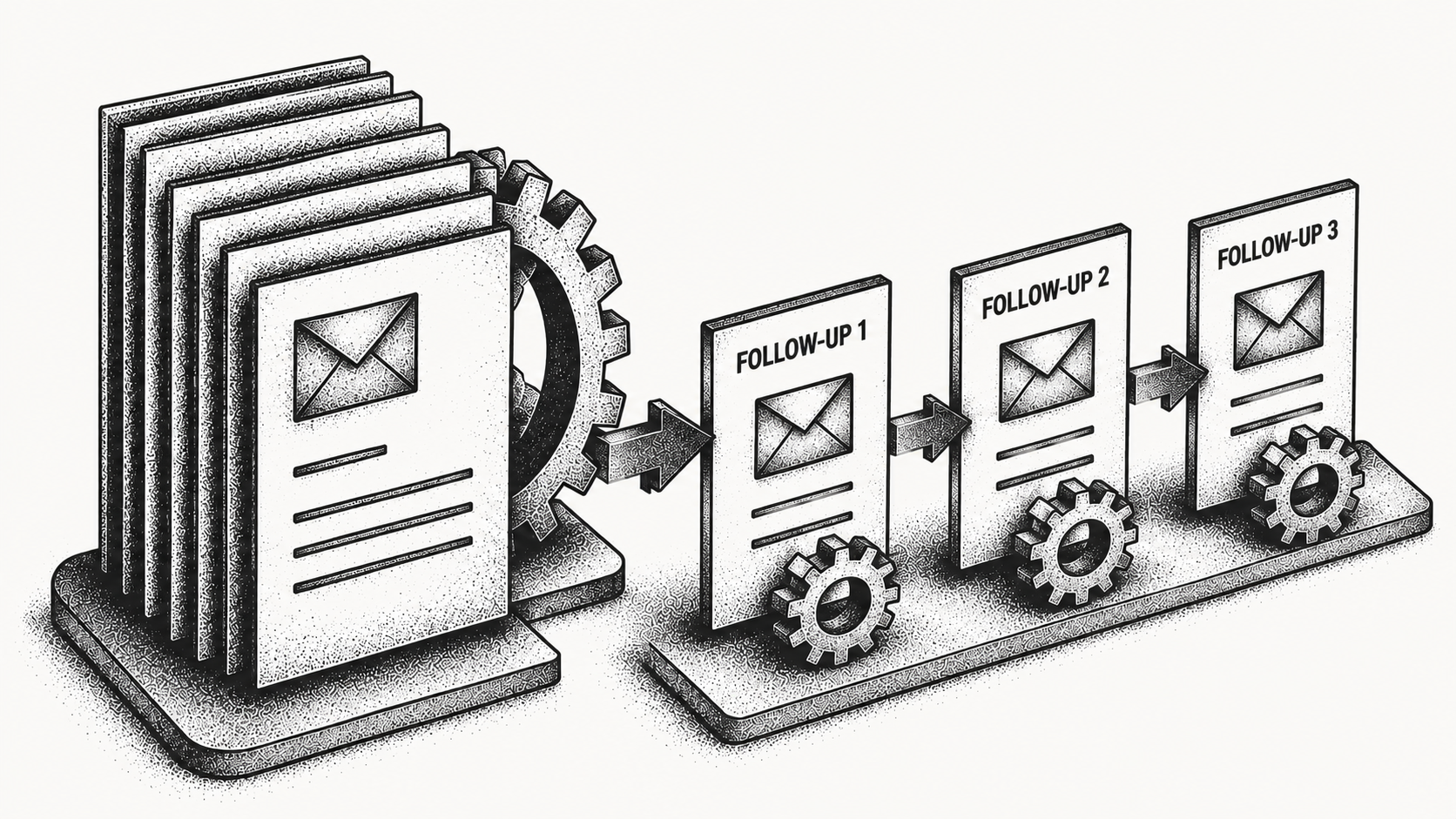
The collections emails that actually get paid are short, polite, and specific: they name the invoice number, the amount, the due date, and a one-click way to pay. Below are copy-and-paste templates for every stage of the collections cycle, from a gentle pre-due-date nudge to a final notice, plus guidance on tone and timing. Use them as a starting point and personalize each one to the customer and the situation.
Most overdue invoices are not the result of unwillingness to pay. They are oversights, lost emails, or a purchase order that never got matched. That reframing matters, because it means the job of a collections email is less about pressure and more about making the right action obvious and easy. The templates below are built around that principle.
What makes a collections email effective?
An effective collections email does four things: it identifies the exact invoice and amount, states a clear next step, makes paying effortless, and keeps a professional, respectful tone. Vague subject lines and walls of text get ignored. The goal is to make it easier for the customer to pay than to keep putting it off. Because most late payments are simple oversights, a friendly, specific reminder resolves the majority of them.
The subject line carries more weight than most people realize. A line like "Invoice #INV-1024 due June 12" gets opened and acted on because it tells the recipient exactly what the email is about and what is expected. Burying the invoice number in paragraph three, or using a generic subject like "Following up," is the fastest way to get filtered or forgotten. For the broader system these emails fit into, see Monk's complete AR automation guide.
What is the right cadence and timing?
Timing matters as much as wording. A common, effective sequence is a courtesy reminder a few days before the due date, a first follow-up shortly after it passes, a firmer note around 15 days late, and a final notice near 30 days. The table below summarizes a practical cadence.
| Stage | Timing | Tone |
|---|---|---|
| Courtesy reminder | 3-5 days before due date | Friendly, helpful |
| First follow-up | 1-3 days past due | Polite, matter-of-fact |
| Second follow-up | ~15 days past due | Firm but professional |
| Final notice | ~30 days past due | Serious, clear on next steps |
The principle behind the escalation is that tone should track how overdue the invoice is, not the mood of whoever is sending it. Each stage stays professional, but the level of urgency and the clarity of consequences increase as the days pass. Sending these on a predictable schedule also signals that your business follows up consistently, which on its own encourages faster payment. Customers quickly learn whether a vendor lets invoices slide, and a reliable cadence quietly moves your invoices toward the top of their payment queue.
What does a friendly pre-due-date reminder look like?
This first touch is purely helpful. It assumes good faith and simply puts the invoice on the customer's radar before it is even late.
Subject: Invoice [#INV-1024] due [June 12]
Hi [First Name],
Just a quick reminder that invoice [#INV-1024] for [$4,200] is due on [June 12]. You can view and pay it here: [payment link].
If you have any questions or need anything from us, just reply to this email and we will be glad to help.
Thanks,
[Your Name], [Company]
What does a first follow-up after the due date look like?
Once the invoice is a few days past due, the tone stays polite but adds a gentle nudge and a direct question.
Subject: Invoice [#INV-1024] is now past due
Hi [First Name],
Our records show invoice [#INV-1024] for [$4,200], due on [June 12], is now past due. If payment is already on its way, thank you and please disregard this note.
If not, you can pay it here: [payment link]. Is there anything holding this up that we can help resolve?
Best,
[Your Name], [Company]
What does a second follow-up look like?
Around 15 days past due, the message becomes firmer and more direct while staying respectful. It restates the facts and asks for a specific commitment.
Subject: Action needed: invoice [#INV-1024] now 15 days past due
Hi [First Name],
Invoice [#INV-1024] for [$4,200] was due on [June 12] and is now 15 days past due. We have not yet received payment or heard back from you.
Please arrange payment using this link: [payment link], or reply with a date we can expect it. If there is an issue with the invoice, let me know and I will help sort it out.
Thank you,
[Your Name], [Company]
What does a final notice look like?
For seriously overdue accounts, the final notice is clear and firm while remaining professional. It states the consequence and gives a specific deadline.
Subject: Final notice: invoice [#INV-1024] now 30 days overdue
Hi [First Name],
Invoice [#INV-1024] for [$4,200] is now 30 days overdue despite previous reminders. To keep your account in good standing, please arrange payment by [June 26] using this link: [payment link].
If there is a dispute or a reason for the delay, please reply today so we can resolve it together before taking further steps.
Regards,
[Your Name], [Company]
How do you personalize templates at scale?
Templates are a starting point, not a script to blast unchanged. The accounts that respond best get emails that reference their specific invoice, reflect the relationship, and answer what they actually said. Doing that by hand across hundreds of invoices is impossible, which is where automation comes in. See how to set up automated sequences in Monk's guide to automating collections emails.
Monk's intelligent collections goes a step further than scheduled sends: it ingests the context of each conversation and reads incoming replies to detect intent, so a customer asking for a copy of an invoice gets the right response instead of another identical reminder. It also adapts the tone of each follow-up to the customer's history, which is the difference between a sequence that feels mechanical and one that feels like a person paying attention. Learn more in Monk's overview of intelligent collections software. This responsive approach has proven 24 percent more effective than traditional dunning.
The payoff compounds across an entire receivables book. Because Monk resolves 90 percent of collections with zero human intervention and saves teams roughly 26 hours a month of manual follow-up, the people who used to write these emails one at a time can focus on the genuine exceptions that need human judgment. If your DSO is the symptom you are trying to fix, the tactics in Monk's guide on how to get customers to pay faster pair naturally with a strong email sequence.
Frequently Asked Questions
What should a collections email always include?
Include the invoice number, the amount due, the due date, a clear next step, and a one-click way to pay. Keep the tone professional and make paying as easy as possible.
How many collections emails should I send?
A practical sequence is four: a courtesy reminder before the due date, a first follow-up just after, a firmer note around 15 days late, and a final notice near 30 days overdue.
What tone works best for collections emails?
Start friendly and assume good faith, then grow firmer with each stage while staying professional. Most late payments are oversights, so an early polite reminder resolves the majority.
Should I personalize collections email templates?
Yes. Emails that reference the specific invoice and respond to what the customer actually said perform far better than identical mass reminders. Automation makes this possible at scale.
How can Monk help send better collections emails?
Monk's intelligent collections ingests the context of each conversation and reads incoming replies to detect intent, an approach that has proven 24 percent more effective than traditional dunning and resolves 90 percent of collections with zero human intervention.
When should I stop emailing and escalate?
If a final notice passes its deadline with no response or payment plan, escalate to a phone conversation or your internal process. With Monk, most accounts resolve well before that point, so escalation stays reserved for genuine exceptions.
Ready to make every follow-up land? Book a demo to see Monk's intelligent collections in action.
Worth reading next: How to Automate Collections Emails.



.avif)