How to Reduce Bad Debt

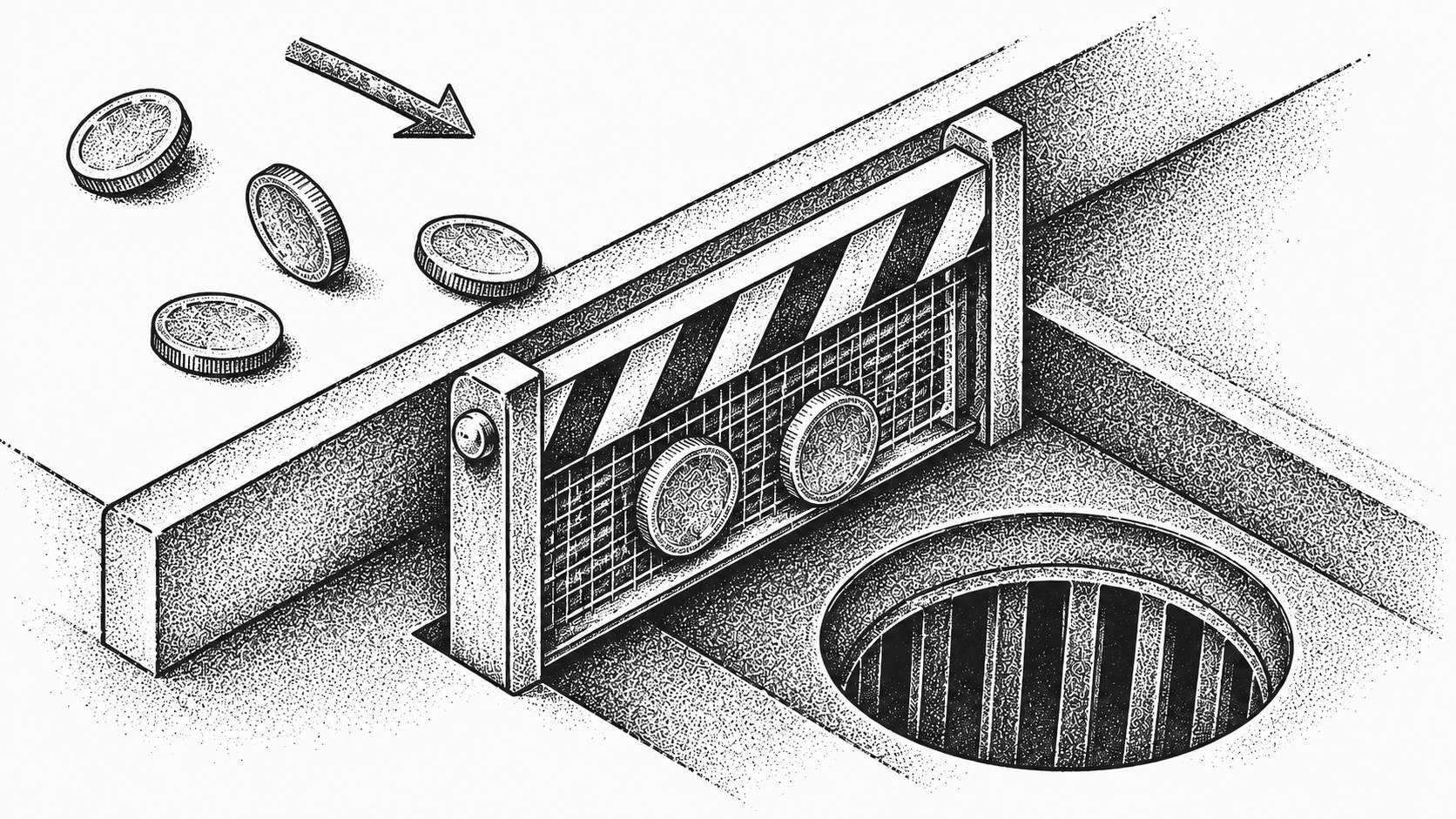
You reduce bad debt by stopping it before it starts: screen customer credit before extending terms, invoice accurately, follow up early and consistently, and act fast on at-risk accounts before they slide into default. Bad debt is rarely the fault of a single bad customer. It is usually the result of small gaps in credit policy, invoicing, and follow-up that compound over time until a manageable balance becomes uncollectible. This guide covers the practical steps that keep more of your receivables collectible, and how an AI-native platform like Monk closes the gaps that let balances age.
What causes bad debt in the first place?
Bad debt builds from a handful of avoidable causes that rarely look serious in isolation. The most common are extending credit without checking whether a customer can pay, invoices with errors that stall payment, inconsistent or late follow-up, and waiting too long to act on accounts that are clearly slipping. Each gap on its own seems minor, but together they let a routine overdue balance harden into a write-off.
The encouraging part is that every one of these causes is something you can control with process rather than luck. Credit screening, clean invoicing, disciplined follow-up, and a clear escalation path are all repeatable steps, not heroics. When those steps are consistent, bad debt becomes the rare exception rather than a recurring drain on margin. For the full context on how receivables flow from invoice to cash, see our Definitive AR Guide.
How does screening credit upfront reduce bad debt?
The cheapest bad debt to avoid is the one you never take on. Before extending terms, review a new customer's credit profile, payment references, and the size of the exposure you are about to carry. Set credit limits that match risk and revisit them as a relationship grows or a customer's payment behavior changes. In my experience, the accounts that become write-offs almost always showed warning signs at onboarding that a quick credit check would have surfaced.
This does not mean turning away business. It means matching terms to risk so a single large default cannot wipe out a quarter of margin. A practical framework is to tier customers into low, medium, and high risk, then assign terms and limits to each tier. High-risk accounts might start with partial prepayment or shorter terms until they establish a payment history, while low-risk accounts earn more generous terms. Revisiting those tiers quarterly keeps the policy honest as customers change.
Why does clean, fast invoicing matter?
An invoice with the wrong PO number, a missing line item, or unclear payment instructions gives the customer a reason to set it aside. Every day an invoice sits unsent or disputed is a day closer to becoming bad debt. Invoice promptly, make the amount and due date unmistakable, and give customers an easy way to pay.
Clean invoicing removes the friction and the excuses that let balances age. The same discipline applies to cash application: when payments are matched to invoices accurately, you know exactly what is outstanding and can act on it. Monk posts an 80% automatic cash application match rate, rising to 95% once teams enable suggested rules, so the open receivables your team chases are real rather than artifacts of unmatched payments sitting in a suspense account.
How do early and consistent follow-ups prevent write-offs?
The longer an invoice goes unpaid, the lower the odds it is ever collected, so timing is everything. Consistent, early follow-up catches problems while they are still small and signals to customers that you track your receivables closely. The contrast between reactive batch dunning and a responsive, intelligent approach is significant, as we explain in dunning vs intelligent collections.
Monk's Intelligent Collections personalizes each follow-up and ingests the context of incoming replies to respond more effectively than a fixed dunning schedule. The agent, named Julia, adapts tone and timing to each customer's history, an approach proven 24% more effective than traditional dunning, and one that resolves 90% of overdue collections with zero human intervention. For a lean finance team, that consistency is what turns follow-up from an afterthought into a system that runs whether or not anyone has time to think about it that week. Monk's voice agent places outbound collection calls and answers inbound calls from customers, working from the same account record as the email thread. That keeps the customer experience steady and the process auditable.
Which metrics signal rising bad debt risk?
Watch a small set of indicators that flag trouble early, before a balance becomes uncollectible. The table below shows what to monitor, what each signal means, and the action it should trigger.
| Metric | What it signals | Action |
|---|---|---|
| Rising DSO | Customers paying slower overall | Tighten follow-up cadence |
| Aging buckets shifting older | More balance moving past 60 to 90 days | Escalate the oldest accounts first |
| Broken promises to pay | Specific accounts at high risk | Prioritize personal outreach |
| Repeated disputes | Invoicing or product issues | Fix root cause, resolve dispute fast |
| Concentration risk | Too much exposure to one customer | Tighten that account's credit limit |
Reducing DSO is one of the most direct levers on bad debt risk, because a balance that is collected quickly never has the chance to go bad. We cover the tactics in depth in how to reduce DSO: 6 strategies. Monk customers have cut DSO by 40% on average, which pulls cash forward and shrinks the window in which receivables can deteriorate. Reviewing these signals on a weekly cadence, rather than at month-end, gives you the time to act while recovery is still likely.
How should you handle accounts that are already at risk?
For accounts already drifting toward default, speed and structure matter most. Prioritize the largest and oldest balances first, since they carry the most exposure and the lowest odds of full recovery the longer they sit. Make direct contact to understand what is actually blocking payment, whether it is a dispute, a cash crunch, or a missing document.
Offer a clear path forward, such as a payment plan, where it makes commercial sense to keep the relationship intact. Document every step and follow a defined escalation ladder so an account never simply lingers without an owner or a next action. Acting decisively early often recovers balances that would otherwise become write-offs, and a platform that automates the routine reminders frees your team to focus on these judgment calls. Monk customers reclaim roughly 26 hours a month that used to go to manual chasing, and that time is best spent on exactly the high-stakes accounts that need a human voice.
Underpinning all of this is the principle that bad debt is a process problem, not a luck problem. Tightening credit, invoicing, follow-up, and escalation each removes a slice of risk, and together they compound into a receivables book that stays collectible as you grow. An AI-native platform like Monk holds that process steady so the discipline does not depend on any one person remembering to chase.
Frequently Asked Questions
What is the fastest way to reduce bad debt?
Follow up on overdue invoices early and consistently. The longer a balance ages, the lower the odds of collection, so catching problems early prevents most write-offs before they happen.
How does checking credit upfront help?
Screening a customer's credit and setting limits that match risk before extending terms prevents you from taking on the exposures most likely to default in the first place. Tiering customers by risk keeps a single default from wiping out a quarter of margin.
What metrics should I watch to spot bad debt risk?
Watch rising DSO, aging buckets shifting older, broken promises to pay, repeated disputes, and customer concentration. Each is an early warning that lets you act before a balance becomes uncollectible.
How does Monk help reduce bad debt?
Monk's Intelligent Collections personalizes follow-ups and ingests the context of replies to respond more effectively than dunning, helping cut DSO by 40% on average and resolve 90% of overdue collections with zero human intervention. A 80% automatic cash application match rate, rising to 95% once teams enable suggested rules keeps your open receivables accurate.
What should I do with accounts that are already overdue?
Prioritize the largest and oldest balances, make direct contact to find what is blocking payment, offer a clear path such as a payment plan, and follow a defined escalation ladder so nothing lingers without an owner.
How fast can I get an automated collections process running?
Monk goes live in less than one week, so a finance team can move from manual, inconsistent follow-up to a systematic process within the same quarter and start protecting receivables right away.
More on this: How to Recover Bad Debt: A Step-by-Step Guide, The Hidden Tax of Growing a VC-Backed Startup: Unpaid Invoices, B2B Collections Best Practices for 2026 and Introducing Payment Risk Report (Now in Beta).





.avif)